Tag: Fintech

  • TomoCredit Founder Kristy Kim Shares the Personal Story Behind Building TomoCredit

    From immigrating to the United States at age 11 to building TomoCredit, Kristy Kim reflects on the lessons, relationships, and risks that shaped her entrepreneurial journey.

    When people ask me what led me to build TomoCredit, they’re often looking for a single defining moment.

    The reality is much less straightforward. Like most entrepreneurial journeys, mine was shaped by a series of experiences, challenges, and lessons that gradually influenced the way I see opportunity, risk, and access.

    Recently, I found myself reflecting on the qualities that have had the greatest impact on my journey as a founder. Three themes kept surfacing: curiosity, adaptability, and trust. Looking back, those lessons show up in nearly every major chapter of my life, from immigrating to the United States as a child to working in investment banking and eventually launching TomoCredit.

    The Curiosity That Led to TomoCredit

    I’ve always been curious. As a child, I asked endless questions. As an adult, not much has changed.

    That curiosity is one of the reasons TomoCredit exists today.

    Before becoming a founder, I worked in investment banking. On paper, I had done everything right. I graduated from college, built a successful career, and had enough money in my bank account to purchase a car outright. Yet when I applied for a loan, I was denied.

    The reason wasn’t income or employment. It was credit history.

    I remember feeling completely confused. How could someone be financially responsible and still be locked out of the financial system?

    The more I learned, the more questions I had. Why were so many people being judged by a system that often failed to capture their actual financial behavior? Why were immigrants, students, and young professionals struggling to access opportunities despite having the ability to succeed?

    What started as a personal frustration eventually became a mission. The more I learned, the more I realized that millions of people were facing similar barriers. That curiosity ultimately became the foundation for TomoCredit.

    Learning to Adapt Before I Knew What Entrepreneurship Was

    Long before I became a founder, I had to learn how to adapt.

    When I was 11 years old, I left South Korea and moved to the United States to attend school. I left behind everything that was familiar and moved in with a host family.

    At the time, I didn’t fully appreciate how difficult that decision must have been for my parents. I was excited about the opportunity. Looking back now, I understand how much courage and trust it required from them.

    That experience taught me something that has continued to serve me throughout my career: very few things go according to plan.

    The transition from finance to entrepreneurship was filled with uncertainty. Building a startup required me to learn skills I never anticipated needing, navigate challenges I couldn’t have predicted, and make decisions without having all the information I wished I had.

    Today, adaptability feels more important than ever. Technology is evolving rapidly, industries are changing, and entire categories of work are being redefined. The people who thrive won’t necessarily be the ones with all the answers. They’ll be the ones willing to keep learning and adjusting as circumstances change.

    The Power of Relationships

    Many of the most meaningful opportunities in my life came through relationships I invested in over time.

    Not because I needed something from someone. Not because I was collecting business cards. But because I genuinely cared about building connections with people.

    Whether you’re building a company, hiring a team, raising capital, or launching a new product, very little happens alone. People remember whether you show up, follow through, and are willing to help when there’s nothing immediately in it for you.

    Trust is built through countless small actions that often seem insignificant in the moment but become incredibly meaningful over time.

    At TomoCredit, relationships have been central to everything we’ve built. From our customers and employees to investors and partners, every step of the company’s growth has been made possible by people who believed in our mission and chose to support it.

    The Greatest Gift My Parents Ever Gave Me

    Both of my parents are entrepreneurs in South Korea. Growing up, I watched them build businesses, solve problems, and navigate the realities of entrepreneurship long before I understood what any of those things meant.

    They taught me resilience, responsibility, and the importance of hard work. But the most impactful thing they ever gave me wasn’t advice.

    It was trust.

    When I was 11 years old and wanted to move to the United States, they could have easily said no. Looking back now, I can only imagine how frightening that decision must have been. Instead, they chose to trust me. They believed in me before I had accomplished anything that would justify that belief.

    That trust changed the way I viewed myself and what I believed was possible.

    Every major chapter of my life since then has required stepping into uncertainty. Moving across the world. Working in investment banking. Starting TomoCredit. Raising capital. Building a team. Launching new products.

    None of those decisions came with guarantees.

    What my parents taught me is that waiting for certainty is often a losing strategy. Progress usually requires conviction, preparation, and a willingness to move forward despite uncertainty. It also helps to have people who believe in you and provide a foundation strong enough to support those risks.

    The Lessons Behind TomoCredit

    When people look at TomoCredit today, they see a financial technology company focused on helping people build credit and access opportunities. What they don’t always see are the experiences and lessons that shaped the company’s mission in the first place.

    TomoCredit exists because I was curious enough to question a system that didn’t make sense. It exists because I learned to adapt when plans changed. And it exists because people believed in me long before there was evidence that they should.

    Looking back, those lessons have shaped far more than my career. They’ve shaped the way I approach life. And I suspect they’ll continue to do so for many years to come.

    Editor’s Note: Kristy Kim recently discussed her entrepreneurial journey, leadership philosophy, and personal story in an interview with Bold Journey. Read the full interview here.

  • Why People Are Turning to AI for Financial Advice

    A few months ago, asking ChatGPT for financial advice might have sounded…odd. 

    Today, it’s becoming the norm. 

    People are asking AI whether they should pay off debt or invest. They’re using it to create budgets, understand credit scores, compare financial products, and make sense of complex financial decisions.

    In a recent Fast Company article, I explored why people increasingly trust AI with financial questions. What struck me most wasn’t the technology itself. It was what this shift says about the relationship consumers have with money.

    People aren’t necessarily looking for more financial products.

    They’re looking for guidance.

    Why Consumers Are Turning to AI

    For many people, money feels intimidating.

    Financial terms can be confusing. Credit scores often feel mysterious. And despite having more financial tools available than ever before, many consumers still feel like they’re navigating their financial lives alone. And trust me, I know from firsthand experience as an immigrant navigating the American credit system. 

    AI changes that dynamic.

    Instead of spending hours searching through articles or waiting to speak with a financial professional, consumers can ask a question and receive an answer instantly.

    Questions like:

    • Why did my credit score drop?
    • What’s the fastest way to build credit?
    • Should I pay down debt or save money?
    • How much should I spend on rent?

    These aren’t uncommon questions. They’re everyday financial decisions that millions of people face.

    The difference is that AI makes it easier to ask them.

    The Real Reason People Trust AI

    Many people assume consumers trust AI because it’s smart. I think the answer is more human than that. People trust AI because it feels accessible.

    There’s no judgment.

    No embarrassment.

    No fear of asking a question that feels too basic.

    Consumers can ask the same question three different ways until they understand the answer. They can explore financial concepts at their own pace. They can admit what they don’t know.

    For many people, that’s a more comfortable experience than traditional financial education.

    What This Means for Financial Services

    The rise of AI isn’t just a technology story.

    It’s a consumer behavior story.

    For years, financial institutions focused primarily on providing products. Consumers, meanwhile, were looking for education, guidance, and personalized recommendations.

    The popularity of AI highlights a growing expectation: people want financial information that is personalized, immediate, and easy to understand.

    The companies that succeed in the next decade won’t simply offer financial products.

    They’ll help consumers make better financial decisions.

    Where AI Still Falls Short

    That doesn’t mean AI should replace human expertise.

    AI can provide information, explain concepts, and help consumers understand their options.

    But context still matters.

    Financial decisions are personal. Two people with the same income can have completely different goals, obligations, and risk tolerances.

    That’s why the future of financial guidance isn’t AI versus humans.

    It’s AI and humans working together.

    The Next Evolution of Financial Advice

    At TomoCredit, we’ve seen firsthand how much consumers want personalized financial guidance.

    The challenge isn’t access to information. The internet already has more financial content than anyone could ever consume.

    The challenge is relevance.

    Consumers don’t want generic advice. They want guidance that reflects their actual financial situation, goals, and behavior.

    That’s where AI has the potential to create meaningful change.

    Not by replacing financial expertise, but by helping people understand their options, build confidence, and take action.

    The growing trust in AI for financial questions isn’t really about technology.

    It’s about people searching for a better way to navigate their financial lives.

    And that’s a trend that isn’t going away anytime soon. 

    For a deeper dive into this topic, you can read my Fast Company article, “Why People Trust AI With Financial Questions.”

  • Can AI Help You Build Credit Faster? Here’s What Actually Works in 2026

    Not long ago, if you wanted help building credit, your options were limited, to say the least. You opened a secured credit card, became an authorized user on someone else’s account, or crossed your fingers and hoped Father Time would do the rest. Building credit often felt like one long waiting game, and for many people, the rules were not exactly clear.

    Now people are asking a different question: can AI help?

    It makes sense. AI is already helping people write resumes, plan trips, organize their schedules, and answer questions they may not feel comfortable asking someone else. Financial questions are starting to fall into that category, too. More consumers are turning to AI for budgeting help, investing questions, and everyday money decisions. Naturally, many are beginning to wonder whether AI can help improve one of the most important numbers in their financial lives: their credit score.

    The answer is a little more nuanced than a simple yes or no. AI cannot magically raise your credit score overnight. There is no secret button or shortcut. But AI can help people make better decisions, develop stronger habits, and avoid the common mistakes that slow progress. And those small decisions matter.

    (Which is exactly why we created TomoIQ, our own personal finance AI advisor.) 

    Credit building has always had a guidance problem

    One of the biggest issues with credit building is that most people were never taught how it actually works. You can graduate from college without understanding utilization ratios. You can pay rent on time for years and still struggle to establish a meaningful credit history. You can make every payment and still stare at your score, wondering why it barely moved.

    I’ve spent years in personal finance hearing versions of the same story again and again. People are not irresponsible. They’re not lazy. Most are trying their best with incomplete information.

    That challenge becomes even bigger for immigrants, young adults, first-time borrowers, and anyone starting with little or no credit history. Financial systems often assume people already understand the rules, but many are trying to learn as they make important financial decisions.

    Sometimes people do not need another financial product. They need better guidance.

    So what can AI actually do?

    The easiest way to think about AI is as a financial assistant rather than a credit-building shortcut. AI is good at recognizing patterns and surfacing insights that can help people make smarter decisions.

    For example, AI-powered financial tools can help people understand the factors that affect their scores, identify spending patterns, monitor balances, and answer questions in real time. They can also offer reminders and personalized recommendations based on financial behavior.

    That last part matters more than people realize.

    A lot of financial stress comes from embarrassment. People often avoid asking money questions because they think they should already know the answer. Questions like: “Should I pay off this card first?” “Why did my score drop?” or “Is using too much of my limit hurting me?”

    These are incredibly common questions. People ask them every day. AI can create a judgment-free place where people can ask for help immediately, rather than delaying financial decisions because they feel overwhelmed or unsure.

    What actually helps build credit faster?

    The fundamentals still matter. Technology can help support better habits, but the habits themselves remain important.

    Keeping your credit utilization low is one of the biggest factors. Even if you pay your bills on time, using a large percentage of your available credit can impact your score. Many experts recommend staying below 30%, and lower can often be even better.

    Payment history is another major factor. Missed payments can significantly affect your score, which is why reminders, alerts, and personalized support can be useful tools for staying consistent.

    Building credit also requires demonstrating healthy financial behavior over time. That means responsible card use, on-time payments, and a track record of stability. There is rarely a dramatic overnight transformation. Credit building has always been more about consistency than speed.

    Money is becoming more personal

    People already expect personalized experiences almost everywhere else in life. We receive recommendations for movies, shopping, music, and fitness routines. Financial tools are starting to evolve in that direction, too.

    People want tools that understand where they are financially, rather than where a traditional system assumes they should be.

    At Tomo, we’ve always believed financial products should work for everyday people, especially those who have historically been overlooked by older systems. That belief helped inspire TomoIQ, our AI-powered financial companion designed to help people navigate financial decisions with practical guidance and support.

    Because financial advice should not feel like a test you forgot to study for.

    Can AI then actually help you build credit faster?

    Not by performing magic tricks in the background. But it can help people build stronger habits, make more informed decisions, and feel more confident about their next financial move.

    When it comes to credit, better information and consistency have always gone a long way. AI simply gives people another tool to help get there.

  • Why Gen Z Is Using ChatGPT for Financial Advice

    People aren’t just looking for answers. They’re looking for a safe place to ask questions.

    Not long ago, if you had a question about money, you searched Google, asked a financially savvy friend, or reached out to your bank. Today, more and more people—especially younger consumers—are opening ChatGPT first.

    At first glance, that sounds like a story about technology. But I think it’s actually a story about trust.

    People are asking AI questions they often feel uncomfortable asking another person: Why was I denied for a credit card? Is my credit score bad? Can I afford this apartment? Am I behind financially? These aren’t just financial questions; they’re emotional ones. Money carries anxiety, embarrassment, and pressure in ways we rarely talk about openly. For many people, asking for help can feel vulnerable.

    That’s why I think this shift matters. Younger generations aren’t adopting AI simply because it’s faster or more convenient. They’re using it because it creates something traditional financial systems often haven’t: a judgment-free environment.

    Finance has always had an accessibility problem

    Historically, financial advice hasn’t been built for everyone. Many traditional financial tools assume consumers already understand the system. Advisors often cater to higher-net-worth individuals, and financial products frequently expect users to arrive with a baseline level of financial knowledge.

    But millions of people are learning as they go.

    Immigrants arrive in the U.S. with no local credit history. Recent graduates enter adulthood with student loans and little financial guidance. Freelancers navigate inconsistent income. First-generation Americans often learn the rules of finance without family roadmaps.

    This is something I understand personally.

    When I immigrated from South Korea to the United States, I had done everything I thought I was supposed to do. I worked hard, had a great job, graduated from a great school, but without a U.S. credit profile, I was completely invisible to the system. 

    That experience shaped my perspective because I realized financial systems often confuse missing information with risk.

    Millions of people are still experiencing that today.

    AI may be solving a problem that banks underestimated

    One of the most interesting things happening right now isn’t AI replacing financial professionals. It’s AI becoming a first stop for questions people might otherwise avoid asking.

    Unlike people, AI doesn’t make someone feel embarrassed for asking the same question five times. You can ask it to explain APR like you’re twelve. You can admit you don’t understand credit utilization. You can ask a “basic” question without feeling like you’re behind everyone else.

    That dynamic matters more than many people realize.

    The conversation around AI often focuses on whether it can replace advisors or automate financial guidance. I think the more important question is why consumers increasingly feel more comfortable asking AI than asking traditional institutions.

    Because that tells us something about what people were missing in the first place.

    The future of finance is guidance, not just information

    For years, financial products acted like dashboards. They showed people account balances, credit scores, and transaction histories and expected them to figure out what those numbers meant on their own.

    But younger generations increasingly want financial products that act more like guides.

    They want context. They want personalization. They want tools that don’t simply display information but help explain what to do next.

    That thinking influenced how we built TomoIQ.

    At Tomo, we saw an opportunity to rethink what financial guidance could look like. Instead of building another product that simply shows people data, we built TomoIQ as a personalized AI financial assistant designed to help everyday consumers better understand and navigate their financial lives.

    Most financial tools have historically catered to people who already have money, already understand the system, or already know the right questions to ask. But millions of Americans are trying to decide how to build credit, improve financial habits, manage emergencies, or make everyday decisions with less than $1,000 in savings.

    Those consumers deserve guidance, too.

    AI should not only help people optimize wealth. It should help people build it.

    The biggest financial problem might not be debt—it might be shame

    I believe one of the most overlooked barriers in personal finance today is shame.

    Financial anxiety causes people to delay asking questions, avoid checking accounts, or postpone learning because they worry they’re already behind. Often, the issue isn’t motivation. It’s discomfort.

    Technology alone won’t solve that. But creating environments where people feel safe enough to ask questions might.

    Maybe that’s why younger consumers are increasingly turning to AI for financial advice.

    Not because they trust machines more.

    Because they’re still searching for financial experiences that feel human.

  • Fintech, making changes together

    2023, the year Tomo learned how to “ride”with the waves

    It has been 5 years since Tomo launched and we continue to surf the unpredicted waves of fintech to ultimately continue our mission of building a better tomorrow. I’m not saying it was easy, but we’re proud of what we’ve achieved around credit building and credit repair.

    When we launched our first product, TomoCard, we received an overwhelming amount of interest while improving the lives of our customers.

    • 3.5 Millions users
    • Users’ credit scores increasing by 29 points on average*
    • Over 200,000 total customers answered that they saw positive changes in their credit report within the first 6 month period. And Tomo helped them feel more confident about their personal finance.
    • Able to offer personalized insights on cash flow and its impact on credit health
    • Leverage our proprietary technology to give users personalized credit building tips

    We refined our product over the years, but all in service of continuing to fulfill our mission for the long term.

    We remain quick and agile as we launched our second product, TomoBoost, a credit repair service that can boost credit scores intelligently using real time data. We are continually improving our product and have rich insights to help our customers.

    • Since 2019, we gathered 18 million verifiable bank accounts data based on users’ consents
    • Customers want Tomo to help them with two topics which we are building our product around. (1)Learn more about their personal finance, especially about personal credit (2)Get instant insights of their cash flow in and out, so they can better manage their cash flow.

    That brings us to now.

    2023 was a challenging year for fintech startups, but also presented upside opportunities for those who figured out how to adapt quickly. Let me explain. First off, a series of unimaginable events happened in the beginning of 2023:

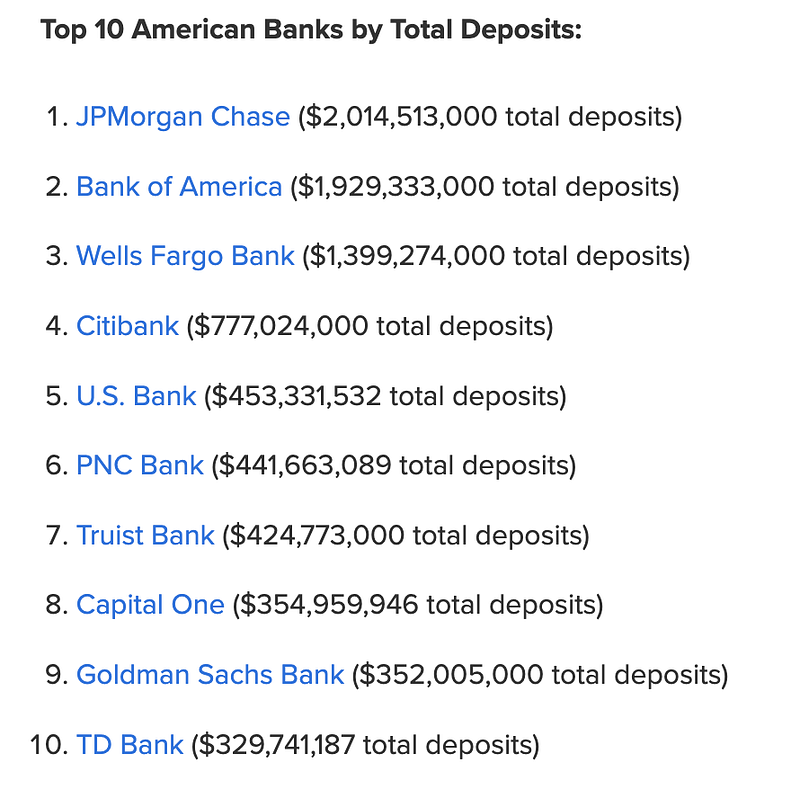
    1. Rate Increase: Lending startups struggled as the cost of capital doubled, making it challenging to maintain margins. For many fintech companies, cash is their product, and when the cost of goods (cost of capital) goes up too high, lending fintech startups simply cannot survive. It seemed like only big banks could weather this storm, as they do have billions of customer deposits that fintechs simply don’t have. (below is the 2022 FDIC datapoint).

    Source: Dec. 31, 2022, data from the FDIC.

    2. Riding the shifts in Consumer Trends: With the rate increase, consumers became more vigilant with managing their personal finance (both personal credit and spending in general). If you think about it, back in 2021, everyone got good rates — with or without a good credit score. Now, with a score below 650, you are simply in trouble. This made credit building popular, with high user demand- Tomo was able to ride the wave at the perfect timing. The key here was listening to our customers who have been with us since 2019 and learning what they liked or disliked about Tomo.

    Also, we noticed that the credit building space is ripe for innovation; the space has been lacking new data driven products in the past decades. With huge consumer demand, Tomo launched in 2019 with our own proprietary technology to give users personalized credit building tips.

    3. Startups, by nature, are resilient. We are not the smartest or the wealthiest, but oh boy, we are resilient. That means many founders figured out — or had to figure out. When founders are faced with this type of market events that are out of their control, they are forced to focus on “internal data and IP.” For example, for Tomo, we built our own proprietary cash flow data in the past 5 years, and we gathered over millions of bank account data (checking accounts, savings accounts, investment accounts, 401k, etc.). We used the cash flow data to build “TomoScore,” an AI-powered cash flow management solution. This allowed us to help our customers manage their cash flow easier and manage their debt/credit better. This became a big hit as it aligned with the customer trends of being vigilant with money

    Closing thoughts:

    I first landed in the U.S. as a student without a credit score, without a U.S. bank account. I am beyond grateful that in 2024, I get to continue to challenge the status quo with an amazing, world class team at Tomo. Many people say that good intentions are not enough because it seems too easy, but our team at Tomo are “doers” with good intentions committed to building a better tomorrow. We, at Tomo, deeply thank each and every one of our supporters. It is simply impossible to challenge the status quo in finance unless it is done with careful, well-thought out collaborations. We are in this together.

    ** Average outcome for customers who opened a Tomo account in Q1 2022, starting VantageScore 3.0 under 600, who made on-time payments. Other factors, including activities at other lenders may impact results. Tomo reports both positive and negative on-time payments history based on their bank data.

  • What Happens When We Have More Women In Charge

    Empowering female tech employees amid the growing number of anti-abortion laws in the U.S.

    After almost 50 years since the historic Roe v. Wade decision in 1973, more and more states have been looking for legal loopholes to put in place to make it harder for people to access abortion care. This trend exploded in September 2021 when The Texas Heartbeat Act (SB8), which bans abortions after six weeks, went into effect.

    As a female, minority, and immigrant founder of a company that employees people of color across the U.S., I’ve been angry and sad to read the news that abortion laws are now in jeopardy. When I left my home country in South Korea as a young girl, I thought America is the place where women and men are truly equal and women can reach their full potential through their careers.

    Guess I was wrong. However, the good news is that now I am in charge. I am in charge of one of the fastest growing private companies in the U.S. I have the power to protect my people- especially women who refuse to live in fear of forced pregnancies and of having their bodily autonomy ripped away from them.

    At TomoCredit, we believe in human rights and we believe in empowering women to be fully in charge of their own bodies, own careers, and own dreams. To help facilitate this TomoCredit will:

    • Cover 100% of legal expenses up to $5,000 if any employee (or their partner) suffers legal issues as a result of anti-abortion laws
    • Contribute up to $2500 towards travel expenses for employees (or their partners) needing to travel out of state for abortion care
    • Contribute up to $2500 for out-of-pocket medical costs for an employee (or their partner) in need of out-of-network abortion care

    At TomoCredit women’s rights are human rights and we will continue to empower women everywhere.

    Kristy Kim

    CEO, TomoCredit

  • A message from our CEO

    We recognize with the ever-changing COVID-19 virus situation that this is an uncertain time for everyone. Our hearts and our thoughts go out to everyone on this planet that we call home.

    At the end of the day we are all human, and sooner or later we must all face challenging times. Preparing you, our customer, for future financial success is always our #1 priority. To ensure that our cardholders achieve that success even in these challenging financial situations, we are waiving required monthly payments for the next two months. We hope this will lessen the impact of the stresses we all face globally and hope it keeps you on track to financial success.

    The spirit and well-being of our team is what keeps Tomo’s dedication to your success alive. Considering the most recent news and announcements from the World Health Organization (WHO) and Centers for Disease Control and Prevention (CDC), we have made the decision to allow all employees to work from home for the next few weeks. We are offering extended sick leave for every team member and have temporarily suspended all business travel.

    Situations like these serve to remind us why Tomo’s vision is important! Giving underserved customers a way to gain the financial freedom they deserve is especially important in times like these, which serve only to motivate our team to work harder in the face of challenge. Team Tomo is still on schedule and working diligently, rolling out new features and processing applications. Our mission has always been to ensure an opportunity for everyone to easily access credit and start building their road to future financial success.

    Our love goes out to you all. We appreciate your support in helping redefine credit for the world! If you have any questions, please don’t hesitate to reach out to us at any time.

    Stay healthy,

    Kristy Kim
    CEO & Founder
    www.tomocredit.com

  • Tomo — My first credit card as an international student! No credit score required.

    I recently moved to San Francisco from London to study for an MBA at Berkeley Haas because I wanted to be at the heart of the tech ecosystem and learn more about the innovation happening within financial services. In order to understand this landscape more, I wanted to work with a company innovating the space, and I’m lucky enough to be working with Tomo.

    Tomo addresses a huge pain point I had when I moved here as an international, a lack of US credit history. A lack of credit history meant I was unable to apply for almost all credit cards and unable to earn a variety of rewards offered by different card companies. Additionally, credit history is a requirement for some cell phone plans, for apartment rental eligibility and it can have an adverse impact on the amount you pay for insurance premiums. However, through lots of market research for an alternative and for interesting Haas affiliated fintech companies, I came across Tomo which was tackling both of these issues.

    Tomo is a fintech startup that currently offers a credit card that does NOT require you to have a credit score, which is exactly what I was looking for. I reached out to the founder Kristy and was able to get an early look at the product and the functionality they are offering. They are also working on technology that allows you to get approved for a card without having an SSN which is how I was able to get a card. This is a game-changer for international students who often have no credit history or SSN.

    Me with my Tomo card!

    Not only did they get me my first credit card, but they also offer crazy cashback! For every person you refer and is approved, you will EACH receive an additional 1% in cashback which is how in a short amount of time I’m earning 8% cashback! You can do this with up to 19 people at a time allowing you to boost your cashback up to 20%. Whilst doing all of this, I am building up my credit history! It’s honestly amazing.

    There is limited availability and the waitlist is filling up fast. So if you are looking for a modern-day credit card with the best cashback or you have no credit score or SSN, then Tomo is the card for you!

    Use my referral link below and we both get an additional 1% in cashback when you sign up: https://tomocredit.com/?referral=KXiBt5

  • The New Tomo Card

    The Tomo Website

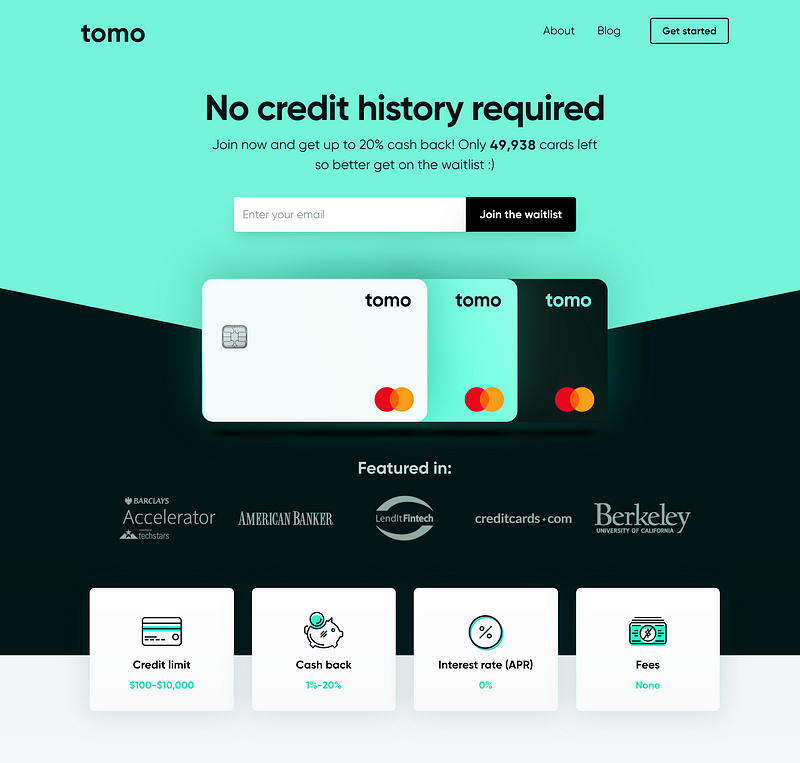
    Here at Tomo, we know you’re not just a credit score. When you sign up today not only can you get approved with no credit history but we are the first card offering up to 20% in cashback. EVER.

    How does it work?

    First, you’ll want to sign up for our waitlist. When you get your welcome email, simply apply for our card like you would for any other credit card — minus the credit check! Tomo Credit assesses your eligibility not by looking at your credit score, but by analyzing your banking history.

    Once accepted you will receive a unique referral code that you can share with your friends, colleagues and acquaintances. For each person that is approved for a card, you both receive 1% in cashback rewards.

    Cashback works via redeeming the Tomo points you earn from spending on your Tomo card for cash. For example, if you have referred 19 people that get approved for a Tomo card, you will earn 20% in cashback. When you spend $100, you will receive 2,000 points. 100 Tomo points = $1 in cash so the 2,000 Tomo points you earned are worth $20 in cash which can be withdrawn into your checking account. It’s that simple.

    Your cashback bonuses for referring people are valid for three months and you can replenish these with new referrals to keep your cashback high for a longer period.

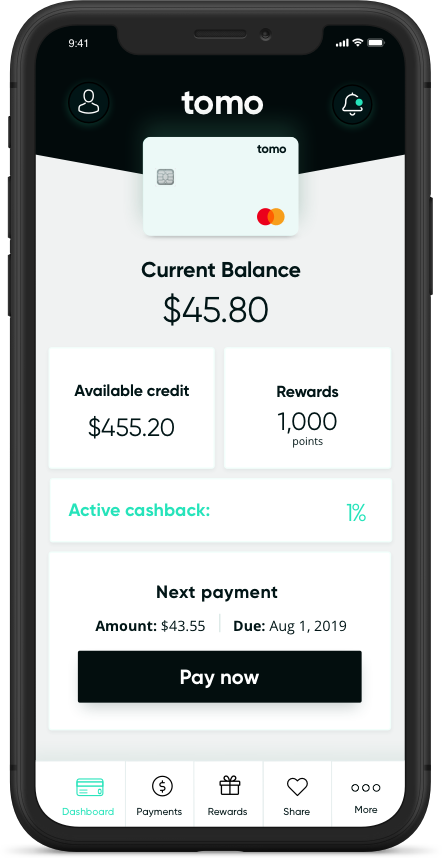
    You can track your balance, rewards, and pay off your card on the dashboard on mobile or web browser.

    Tomo cards are currently limited to only 50,000 so the quicker you sign up the better. Also, don’t forget the more you share, the more rewards you will earn!

    You can get on the waitlist by using the below link:

    Join the waitlist

    In the future, we hope to offer you other types of rewards that you can redeem your Tomo points for, including crypto currency.

    We are here to help! If you have any questions please don’t hesitate to contact us.