I Asked ChatGPT How to Build Credit. Here's What It Got Right (And Wrong)
ChatGPT gave surprisingly solid advice on how to build credit — but the more I read its answer, the more I realized it was giving information, not guidance.

Written by Sarah James ·
Start Building Credit
No credit history required. Apply in minutes.
Yes. You can qualify for certain credit cards even with a poor credit score.
According to commonly used FICO credit score ranges:
If your credit score is below 580, traditional unsecured credit cards may be harder to qualify for. However, secured credit cards and certain credit-building products may still be available.
Even with a 500 or 550 credit score, you may have options. Approval depends on the card issuer's requirements, your income, existing debts, and credit history.
The key is finding products that match your current credit profile instead of repeatedly applying for cards designed for higher-credit-score applicants.
Not all credit cards for poor credit work the same way. Here are five options worth understanding before you apply.
Best for: People rebuilding credit who can afford a refundable security deposit.
Secured credit cards are among the most accessible options for consumers with bad credit.
Unlike traditional credit cards, secured cards typically require an upfront security deposit. For example, a $200 deposit may provide a $200 credit limit.
Some advantages include:
Before applying, check whether the issuer reports to all three major credit bureaus: Experian, Equifax, and TransUnion.
Best for: People who want a credit card without putting down a security deposit.
Some issuers offer unsecured credit cards designed for consumers with limited or damaged credit histories.
However, these cards may come with higher interest rates, annual fees, or lower initial credit limits.
Before applying, compare the total cost of the card, including:
A card that approves you but charges excessive fees may not be the best long-term financial decision.
Best for: People who want to check their potential eligibility before formally applying.
One of the biggest mistakes people with bad credit make is applying for multiple credit cards without understanding their approval chances.
Some issuers provide prequalification tools that use a soft credit inquiry, allowing you to check potential eligibility without affecting your credit score.
This is especially useful if you have a credit score below 600.
Keep in mind that prequalification is not a guarantee of approval. A formal application may still involve a hard inquiry.
Best for: People with a thin credit file or limited borrowing history.
Not everyone with a low credit score has a history of missed payments.
Some consumers simply haven't had enough credit accounts to establish a strong credit profile.
Certain starter credit cards are designed for students, young adults, or people new to the U.S. credit system.
If your credit history is limited, focus on products that consider applicants with thin credit files rather than applying exclusively for premium rewards cards.
Best for: People who want to improve their credit profile before applying for another credit card.
Sometimes the smartest move isn't applying for another credit card immediately.
Credit-building products can help consumers work toward stronger credit profiles through eligible payment reporting and other credit-building features.
For example, TomoBoost is designed to help consumers build their credit profiles without requiring a traditional credit card application.
A stronger credit profile may improve your eligibility for more financial products over time, although results and future approvals are never guaranteed.
A credit score of 500 or 550 is considered poor under the FICO scoring model, but that doesn't mean every credit card is out of reach.
If your score is around 500, consider starting with:
Avoid submitting numerous applications in a short period.
Every hard inquiry isn't necessarily a major problem, but repeated applications can create additional obstacles when your credit score is already low.
Instead, focus on understanding why you're being declined and what could improve your chances next time.
A credit score of 550 may offer somewhat more options than a score of 500, but approval is never guaranteed. Lenders may also evaluate your income, debt obligations, payment history, and recent credit applications.
The smartest strategy is to find products suited to your current financial profile, rather than applying for cards simply because they advertise attractive rewards or high credit limits.
Imagine applying for a credit card, getting rejected, and immediately applying again.
Then again.
And again.
It's a common reaction when someone urgently needs access to credit.
But multiple hard inquiries can negatively affect credit scores, and lenders may interpret numerous recent applications as a sign of elevated credit risk.
Even worse, repeatedly applying for the same card without changing your financial circumstances is unlikely to produce a different outcome.
A rejection tells you the answer is no. It rarely tells you what would make the next answer different.
That's why understanding your credit profile before applying is so important.
Before submitting another application, consider these steps:
A more informed application strategy can help you avoid unnecessary inquiries and make better use of the credit options available to you.
If you're struggling to qualify for a credit card, consider these five steps.
Review your reports from Experian, Equifax, and TransUnion.
Look for inaccurate late payments, unfamiliar accounts, incorrect balances, and other potential errors.
You can obtain free credit reports through AnnualCreditReport.com.
If you find inaccurate information, you have the right to dispute it with the appropriate credit bureau.
Credit utilization measures how much of your available revolving credit you're using.
For example, if you have a $1,000 credit limit and a $900 balance, your utilization is 90%.
Lowering utilization can help improve your credit profile. Keeping utilization below 30% is a common guideline, and lower utilization may be more favorable.
If you're carrying high credit card balances, paying down those balances can be one of the more direct ways to improve the factors affecting your credit score.
Payment history is one of the most important factors in FICO credit scores.
Even if you've missed payments in the past, establishing a consistent record of on-time payments can help you rebuild your credit over time.
Consider setting up automatic payments or reminders to reduce the risk of future missed payments.
Before applying for another credit card, research its eligibility criteria.
When available, use soft-inquiry prequalification tools to narrow your options.
A prequalification result does not guarantee approval, but it may help you make a more informed decision before submitting a formal application.
Traditional credit card comparison websites often show long lists of offers without explaining which products fit your financial situation.
AI-powered financial tools can help make credit information easier to understand.
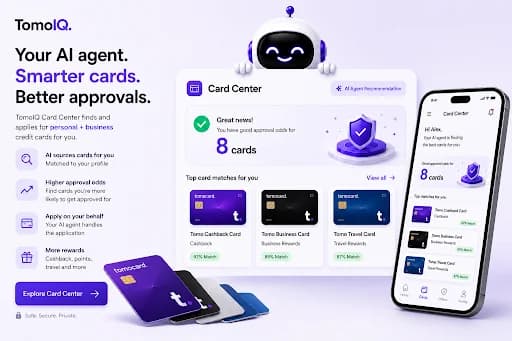
TomoIQ is an AI-powered personal finance agent designed to help everyday Americans navigate credit and financial decisions.
With features such as credit monitoring, credit card matching, and AI-assisted dispute tools, TomoIQ helps users better understand their financial profiles and identify potential next steps.
Rather than blindly submitting applications, consumers can make more informed decisions about their credit options.
1. What is the easiest credit card to get with bad credit? Secured credit cards are often easier to qualify for than traditional unsecured cards because they require a security deposit. Approval is still subject to the issuer's requirements.
2. Can I get a credit card with a 500 credit score? Yes. Some secured credit cards and specialized credit products may consider applicants with a 500 credit score. However, approval depends on factors beyond your credit score, including income, debts, and credit history.
3. Can I get a credit card with a 550 credit score? Yes. Some secured and specialized unsecured credit cards may consider applicants with a 550 credit score. Using soft-inquiry prequalification tools may help you identify potential options before applying.
4. Are there credit cards for bad credit with no hard inquiry? Some credit card issuers offer prequalification using a soft inquiry. However, a full application may still require a hard inquiry. Always check the issuer's disclosures.
5. Will opening a credit card improve my credit score? A new credit card can help build positive payment history and increase available credit, but opening an account can also temporarily lower your score. The long-term impact depends on how you manage the account.
6. How long does it take to rebuild bad credit? It depends on your starting credit profile and the factors affecting your score. Some changes, such as paying down revolving balances, may affect scores relatively quickly after updated balances are reported. Recovering from serious negative marks can take much longer.
7. Is a secured credit card better than an unsecured credit card for bad credit? Neither option is automatically better for everyone. Secured credit cards generally require a refundable deposit but may offer more accessible approval requirements. Unsecured credit cards don't typically require a deposit but may charge higher fees or interest rates for consumers with poor credit. The best choice depends on your financial situation, eligibility, and ability to manage the account responsibly.
Having a low credit score doesn't mean you're financially irresponsible or that better credit opportunities are permanently out of reach.
It means you need a strategy that fits where you are today.
Instead of repeatedly applying for credit cards and hoping for approval, start by understanding your credit report, improving the factors you can control, and choosing products that match your credit profile.
At Tomo, we believe everyday Americans deserve better tools to navigate the financial system.
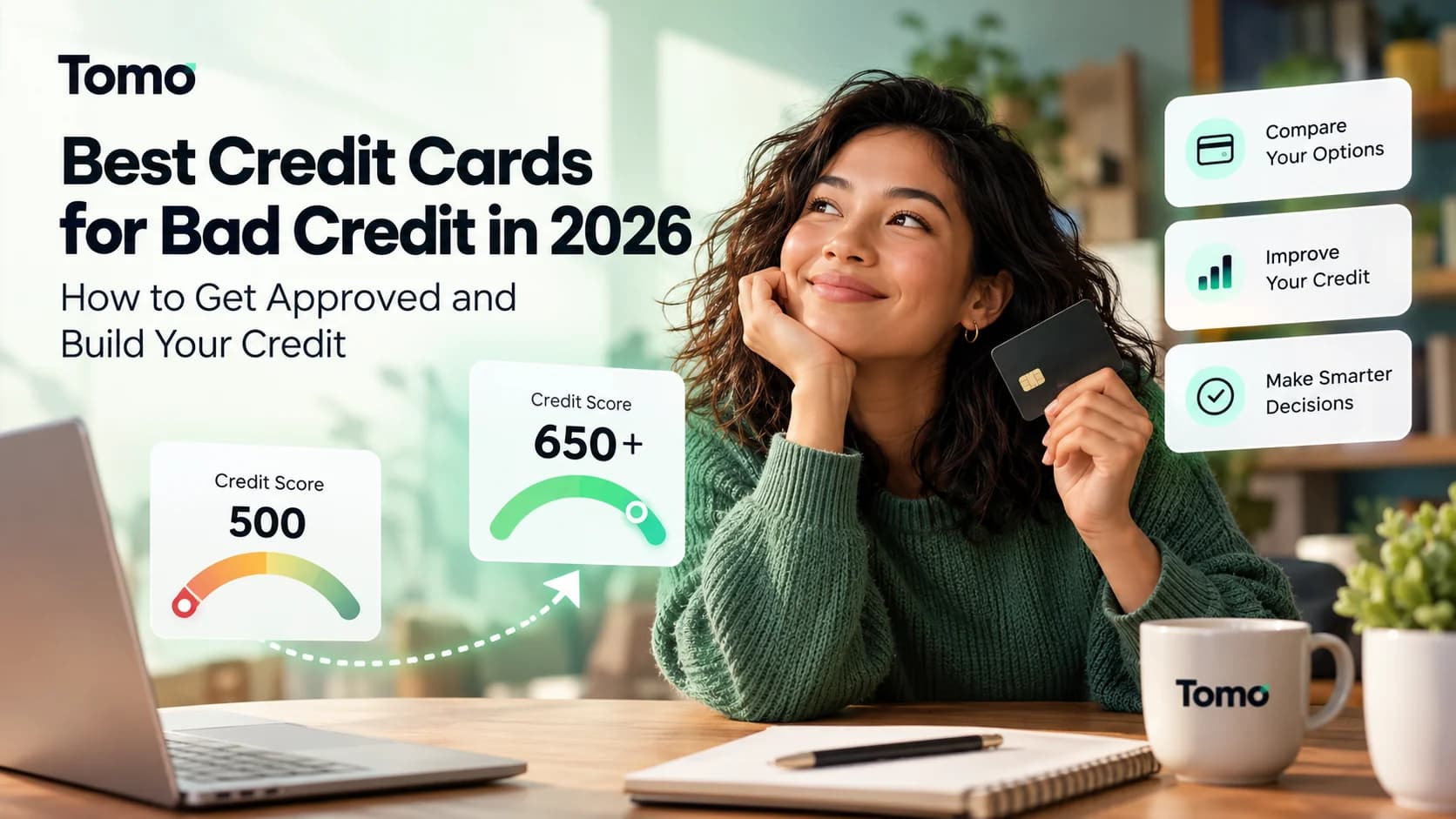
Our big bet: In five years, no American should have a credit score below 650.
That's the future we're working toward with TomoBoost and TomoIQ.
Ready to take the next step?
Explore TomoBoost at https://tomocredit.com to learn about credit-building options, or discover TomoIQ at https://tomoiq.com, your AI-powered personal finance agent.
Disclaimer: This article is for educational purposes only and does not constitute financial advice. Credit card eligibility, approval, credit reporting, and score changes vary by individual and provider. Tomo products do not guarantee credit score improvements or credit card approvals.
ChatGPT gave surprisingly solid advice on how to build credit — but the more I read its answer, the more I realized it was giving information, not guidance.
When you search "credit cards for bad credit," you'll find a lot of options — some helpful, some expensive traps. Here's how to spot the red flags and choose a card that actually helps.
The average American household carries over $8,000 in credit card debt. A large portion of it is tied to a lack of financial literacy and poor spending habits—here's how to break the cycle.
The language used on this page is for creative purposes only. TomoCredit (or TomoBoost) does not guarantee an increase in credit score. Individual results vary based on each person's unique credit history and financial circumstances, and subscription payments are non-refundable.
Start Building Credit
No credit history required. Apply in minutes.