Category: Sarah James

TomoCredit consumer value report

  • 2020 Holiday Finance Guide

    As of November, over 20 million Americans are unemployed and receiving some sort of unemployment benefits. Those are harrowing numbers. With this in mind, nobody’s going to blame you for easing up on gifts this year; times are tough. Meanwhile, you may already be concerned about the state of your savings account. An unexpected bill or emergency car repair can always pop up when you’re the least prepared, that’s why it’s important to have your finances in check this holiday season. Whether you’re barely getting by or need some extra cash for the holidays, here are four ways to keep your finances in order this holiday season:

    1. Make a List (and Check it Twice)

    If you’re strapped for cash, now would be the perfect time to plan out your holiday budget. Calculate your expenses for the month (rent, insurance, etc.) and set realistic expectations for yourself. Next, estimate how much you will get paid for the month of December (Make sure to include holiday pay and any overtime!). It helps to write all of this information down on paper, or, you could always try using a budgeting app like Mint to track your spending. Now, with your finances tracked, plan accordingly. Maybe you’re all caught up on bills and won’t have to reduce your spending after all. Maybe your finances aren’t looking as healthy as you thought and have to take out a holiday loan. Whatever you do, try not to over do it this year. If 2020 has taught us anything, it’s to expect the unexpected, which in this case, could always manifest itself in the form of unanticipated bills.

    2. Get Your Credit in Check

    Speaking of bills, there’s no need for your credit card debt to skyrocket this holiday season. You may be considering opening a new credit card for the holidays, I mean, why not right? With retail credit cards, merchants offer heavy discounts on initial purchases and can offer cash back on in-store purchases. On the surface, this may seem like a good way to save money, and it can be! Just be mindful of your credit limits — maxing out your credit card could end up negatively affecting your credit score. In addition to a retail credit card, consider switching to a Tomo Credit Card! A Tomo card is a history-free credit card with flexible limits that will give you 1% cashback on all of your holiday purchases. A Tomo card is also interest free, so you won’t have to worry about any outstanding fees!

    3. Try a Side Hustle

    There is surely a shortage of side holiday hustles this year as a result of the pandemic, but there are still ways you can manage to make some cash on the side from the comfort of your own home!

    Try going through your closet or garage and use a selling app like Mercari. You can sell pretty much anything on the app and now is the perfect time to sell any unwanted clothes or knick-knacks you may have lying around. While you’re at it, try shopping around the app yourself for some deals on Christmas gifts!

    If you don’t have anything of value laying around to sell, try browsing through the Nextdoor app. Nextdoor is a community app that functions similarly to Craigslist. People in the community tend to request services in exchange for money such as garden work, pet sitting, tutoring, and more. Otherwise, if you’re more of a creative entrepreneur, I’ve seen people advertising homemade holiday treats and gift baskets up for sale on the app. The best part of the app is that you are only limited to buy and sell within your community, so you won’t have to worry about any shady business deals or scammers.

    4. Contactless gift ideas

    If Thanksgiving was any indication of what to expect for the holidays, then it’s safe to assume that holiday get-togethers will be kept to an absolute minimum this year. You don’t want your family to risk flying in from abroad, nor do you want to risk any chance of getting your eighty-something year old grandmother sick. Sure, you could always send them a gift in the mail, but in the theme of this year, why not go contactless?

    Nowadays, it seems like there’s a subscription box for everything. For Grandma, why not give the gift of knowledge (and caffeine) with My Coffee and Book Club? For Mom, help her save on groceries throughout the year with an Imperfect Foods subscription. For Dad, upgrade his swag with a GQ Best Stuff box. And for your siblings? If they’re of age, they might be delighted with a bottle of wine on their doorstep from Winc every month. But if your siblings are years away from the legal drinking age, then try surprising them with some monthly crafts from KiwiCo. Keep in mind, these are just several ideas out of hundreds of subscription boxes. You’re bound to find something both relevant and within your price range out there.


    However you choose to spend your holidays this year, make sure you stay safe and keep healthy! Happy Holidays!


  • How to Budget and Improve your Tomo Score: Thanksgiving Edition

    Thanksgiving is right around the corner! Is it your turn to host the Thanksgiving dinner?

    Even though Thanksgiving may look slightly different this year, with smaller gatherings and a tighter budget, don’t let that stop you from having a great Thanksgiving meal with your loved ones.

    Here are 5 tips on how to prepare the perfect Thanksgiving meal on a budget:

    Don’t be a Gordon Ramsay

    An amazing Thanksgiving dinner does not have to be extravagant; you won’t need truffle oil or imported saffron. There are a variety of recipes online for budget friendly side dishes that you can create. Don’t forget to check those out! A key tip is that vegetables also tend to be less expensive.

    Before heading to the grocery store, make sure you plan out all of the components you will be making. Will you be serving mashed potatoes, pumpkin pie or stuffing? Hopefully it was a yes and a yes. Remember to write a grocery list so you don’t forget anything or get distracted by items you don’t need.

    It is crucial to head into shopping season ready to manage spending and your cash flow score or Tomo Score (Tomo Score or is calculated by your cash inflow and outflow to help you be on top of your hard earned cash!) Here are our tips:

    Don’t be afraid to be an extreme couponer

    Before heading to the grocery store, check if there are coupons on the groceries that you will be purchasing. When you head to the market, don’t forget to also check the store’s daily specials and coupons. Even if the individual coupons only deduct a small portion from the cost, they will add up. Have you watched Extreme Couponing before? Every cent matters!

    Head to the grocery stores early

    Not only will there will there be long lines, but also a limited selection of produce left if you decide to shop the day of Thanksgiving. It is important to avoid peak hours in order to stay safe during COVID-19.

    Shop early, but not too early. During the week of Thanksgiving, there will be deals on certain items such as Turkey, so you don’t want to miss out on those. Before heading to the grocery store, if you are curious about how busy your local grocery store is, check the grocery store’s location on Google Maps. Under Population Times, there is a live feature where you can view how busy your supermarket is.

    Have a Thanksgiving potluck

    Make Thanksgiving a collective effort. Delegate dishes to family members and friends. Why make Thanksgiving a stressful experience for yourself when you can relieve the stress by having everyone bring a dish. Your prep and cooking time will also be decreased. Now, you can focus on perfecting your own dish and in return, everyone will bring their best dishes. A potluck will be less expensive for everyone, and everyone gets to participate in the fun of making something. Maybe even make it a friendly competition! Thinking of doing a Thanksgiving potluck now? If so, get your spreadsheet ready!

    Most important: Remember it’s about family and friends

    Thanksgiving is all about spending time with your loved ones. This year’s Thanksgiving may be especially different, but don’t let that ruin this special time. 2020 has been difficult for many, so remember to cherish this moment with your family and friends.

  • Do You Really Need a Savings Account?

    Saving is always wise — but is a savings account the best way to save money?

    What is a Savings Account?

    While checking accounts are used to store money for daily expenses like food or bills, savings accounts are used to store money over a long period of time. Although fees and withdrawal limits may be drawbacks, savings accounts also offer safety and reliability.

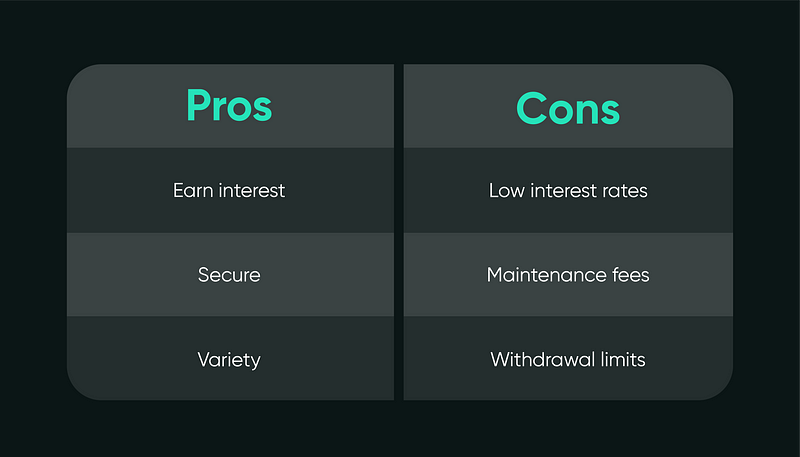
    Each type of savings account differs in interest and accessibility, but they generally share these pros and cons:

    Pros

    Earn Interest

    The biggest advantage to savings accounts is that they build interest over time. With your money deposited in their accounts, banks are able to loan money to other customers. Banks return the favor to you by paying interest on the savings accounts. Therefore, the longer you keep the money in your savings account, the more money and the more worthwhile it will be for you. Typically, it’s advised to not touch your savings account as long as possible. Forget about it for some years, don’t do anything, and you’ll earn money.

    Secure

    If you choose a savings account from a Federal Deposit Insurance Corporation (FDIC) member bank, your account will be insured up to $250,000 under the law. With federal protections, savings accounts are a reliable way to store your emergency funds. To find out if your bank is FDIC-insured, check out FDIC’s Bank Data Guide.

    Different Kinds for Different Needs

    Besides standard savings accounts, banks are offering more varieties of ways to help you save. High-yield accounts offer higher APY rates compared to basic accounts. The only catch is that you may not be able to access them at bank branches or an ATM. Banks also are offering different types of savings accounts depending on customers’ niche needs. The 529 Plan is tailored for saving for college education costs, offering tax benefits depending on the state you open one in. These specialty accounts all offer interest and security, although they may have stricter restrictions on withdrawals and spending.

    Cons

    Slow and Low Interest Rates

    As much as the idea of earning money while doing nothing sounds attractive, the interest rates are incredibly low. The current national average interest rate according to the FDIC is 0.05% APY. Compared to interest rates of other deposit account options like Certificate of Deposits (CDs) and money market accounts, 0.05% is a very low number. For a full view on national rates on the different kinds of accounts, check out FDIC’s Weekly National Rates and Rate Caps charts.

    Fees

    To maintain services, banks may ask for a monthly maintenance fee of $4 or $5. In addition, if your funds fall below a minimum requirement, you will be asked to pay fees as well. If you do choose to open a savings account, it is crucial to keep yourself updated on any updated terms and conditions to make sure you avoid fees that may deduct from your earned interest.

    Withdrawal Limits

    Under the Federal Reserve’s Regulation D, savings account holders are not able to withdraw or transfer funds from their accounts more than six times in a month. This limit allows banks to still reserve some of your deposit and stay in business by using the rest of your money for other services. If you exceed the limit, you may be charged fees, or the Fed may close your account altogether.

    However with the widespread impact of the pandemic on individual finances, the Fed lifted the limit on the number of withdrawals and transfers on April 24 to help account holders access their savings and emergency funds.

    Main Takeaways

    Before opening a savings account, set your personal goals and consider which of the pros and cons matter more to you. There are different kinds of savings accounts, but there are also alternatives to long-term saving rather than opening a basic savings account. You may also look into different kinds of savings accounts and open multiple ones.

  • Breaking Down the Biden Economic Plan

    This November was reckoned by a chaotic election season that will lead a very unprecedented year, and presidency, to an end. Days after voting, Americans across the country sat in anticipation of the results of a very close presidential race. The suspense built up to a conclusion that found many people unable to hold in their excitement. The announcement of Joe Biden as the winning presidential candidate on November 7th was met with cheers from many who are hopeful for a new beginning that will amend the disorder of 2020 and prior. Whatever your own political preferences may be, it will always benefit you to stay informed about these issues through credible resources.

    With urgent matters on the line such as public health, workers rights, and a COVID-19 stimulus bill, the entire country has its eyes trained on the future POTUS, trusting him to make the right choices. From an individual perspective, money is on all of our minds. The question is, how will our personal finances potentially be affected under a Biden presidency?

    The Economy at Large

    Upon stepping back into the White House, former Vice President Biden will take on a challenge like no other. It is no secret that the economy is continuing to take huge hits during the pandemic as both businesses and their workers are struggling for air. Consumption behaviors have also changed, and the changes may stay long-term as a response to current conditions. While Biden’s predecessor oversaw a pre-pandemic economy that reached historic economic milestones, the current economy is in equally historically worse shape than it started. For now, what we know of Biden’s strategy to tackle this challenge includes a tax policy that will increase taxes on corporations and high-income individuals and other promises for financial relief with individual plans for businesses, unemployed workers, students, and more who were economically affected by the pandemic.

    For a more comprehensive look at Biden’s projected steps to heal the economy, take a look at the Biden-Harris Campaign’s “Emergency Action Plan to Save the Economy.”

    COVID-19 Stimulus Bill and Other Relief Programs

    The world rides high on a wave of hope as recent news of a successful COVID-19 vaccine surfaced. After many months in the dark, this news provides a glimmer of hope that also brings to mind Biden’s promise to ensure that once a widely-tested, safe and effective vaccine is available, it will be distributed to every American for free. While these are optimistic notions to hold onto, there are still reparations for financial destruction that must be addressed in the present moment. Shockingly high unemployment levels are still rising, causing concern for long term difficulties among unemployed workers. As the pandemic has revealed disturbing wealth inequalities, Biden is adamant in passing another stimulus bill that would provide eligible Americans at least one more relief check through more direct stimulus payments. Biden’s plan also calls for an additional $200 to monthly Social Security recipients. Apart from individual relief, Biden also outlined plans to provide financial help to small businesses and essential workers.

    You can read more about Biden and Harris’s expected COVID-19 action plan here.

    Student Debt Forgiveness

    Another huge talking point throughout Biden’s campaign involves lessening the heavy burden of student loans off the shoulders of college students everywhere. His loan forgiveness plan includes halving payments on undergraduate federal student loans so that individuals are paying 5% of their discretionary income over $25,000 towards their loans. After 20 years, those who have responsibly made payments through this program will be 100% forgiven for the remaining amount. Individuals with new and existing loans will automatically be enrolled in this income-based repayment program, with the ability to opt-out if they wish. Those making less that $25,000 per year will not owe any payments and won’t accrue interest on undergraduate federal student loans. In addition, Biden is planning on implementing a loan forgiveness program that will offer $10,000 of undergraduate student debt relief for every year of national or community service for up to 5 years.

    Find more information on “Joe’s Agenda for Students.”

  • The Waitlist, Some Changes, and What’s Next: An Update From Tomo

    This pandemic has no doubt been hectic for everybody. With millions of Americans losing their jobs, millions unemployed, and millions infected, millions of us are growing more and more frustrated. When the shelter-in-place orders began back in March, like most of you, we were worried about what the future would hold for us. As most of you know, working remotely presents its challenges. But we are reorganizing and getting back on track. We just wanted to take the time to write this to let you know that…

    We Hear You

    We have received countless inquiries about the Tomo waitlist and rightfully so. An overwhelming amount of you have been waiting for your card for months at this point, and we understand your frustration. As of now, we have over 100,000 people on the waitlist. Due to some changes related to the pandemic, we currently process all of our pre-approvals manually. The moment they are processed, we send out invites in waves and, thankfully, we will be sending out an increasing number of waves in the coming months. We recommend that over the course of these next few months that you keep an eye out for your invite. If you don’t receive an invite by then, please reach out to us. We are in the process of reorganizing our customer support and will be adequately prepared to answer any questions you may have for us moving forward. However, due to the volume of applications we have received, please keep in mind that we will be prioritizing the questions of current cardholders first.

    We know that sounds like a long time, but it will be worth it. Trust us. We have big plans for the future here at Tomo!

    What’s Changing

    Since the pandemic provided some unpredictable challenges, our credit card has had to make some fundamental readjustments. With a heavy heart, we must eliminate the Tomo Credit Card “2 for 2” cash back referral perk. We hope to be able to deliver you other more unique and personalized rewards in place of the “2 for 2” referral program, and we intend to work with merchants in order to create a user experience that you’d expect from “the credit card of tomorrow”. Don’t worry, you will still receive 1% cashback on all purchases and we will continue to offer you a history-free credit card with flexible limits and no hidden fees. Our goal here at Tomo has always been to help our members establish the financial security they deserve, not to profit off of their financial insecurity like the big banks do. For those of you that have referred members to tomo, fear not, as our new referral program will be released in the near future and you will still be awarded for those referrals.

    We can also offer one other awesome perk to you should you meet the requirements, and that’s up to 20% cashback. Yeah, you read the right. 20%. If 20% cashback is what you desire and you think you’re qualified, we encourage you to apply to become a Tomo ambassador! As ambassador, you will promote the Tomo card and encourage your community to sign up for one via a personalized referral code. For each person you refer that gets approved, you will receive an additional 1% cash back, with a maximum cap of 20%. That means that if you get 20 people to sign up, you’ll get that sweet 20%. Keep in mind though that the ambassador cashback bonus is valid for 3 months from the time each of your referrals is approved. Think you can do it? Apply to become an ambassador here!

    What’s in Store

    We cannot thank our members enough for their overwhelming support. Tomo has always believed that you are worth more than an arbitrary credit score. We have always been dedicated to helping our members build credit and save money, and, moving forward, we hope to win back your trust. As we proceed, we will be making adjustments to our card in order to better cater to our members’ needs.

    But first things first: I think that we can all agree that this year has just got to end already. When the pandemic begins to slow down, we promise to speed things up, and to be more prepared than ever to provide you with the experience you deserve from the credit card of tomorrow.

  • Voting for Your Finance

    This year’s presidential election has become a hot topic, and how you vote will undoubtedly have a tremendous impact on not only the entire nation, but also you and your personal finances. Let’s talk about where Biden and Trump stand when it comes to finances.

    Tax Policy

    No one likes to pay taxes and politicians are always arguing over tax policies. Biden and Trump are no different. In 2017, a bill called the Tax Cut and Jobs Act (TCJA) was passed by under the Trump administration. This bill essentially cut down tax rates for individuals and corporations all around. Biden plans to repeal some of the effects of TCJA and raise taxes on corporations and high income individuals who make more than $400,000 a year. All other income brackets would remain untouched from the changes made by TCJA. Trump plans to make the effects of TCJA (which are set to expire in 2025) become permanent as part of his tax policy. He has also mentioned lowering taxes for the middle class, but has provided no details yet.

    Coronavirus Stimulus Package

    Back in March, Congress passed the CARES Act, which provided economic assistance to all eligible Americans. Many Americans depended on the stimulus checks provided by the CARES act and have been waiting for a second round for months at this point. Both presidential candidates discussed their stance on how they will handle the second round of stimulus checks. Biden has stated that if he wins the election, he will provide Americans with another $1,200 check. Trump had originally stated that he had instructed his representatives to completely halt all talks of a new stimulus bill, though shortly after, within a week’s time, started pushing for a new stimulus to be passed. Congress is currently working out the conditions of this new stimulus bill, although the likelihood of it passing before November 4th is incredibly slim.

    Minimum Wage Increase

    Federal minimum wage has remained at $7.25 and has not changed since 2009. Many Americans argue that the economy has changed since then and that the minimum wage needs to be adjusted for inflation in order to reflect that change. In July 2019, House Democrats tried to pass a bill that would gradually increase the federal minimum wage to $15 by 2025, but Senator Mitch McConnell, the majority leader of the Senate, said he would not be taking up the bill in the Senate. Since then, the bill has remained in limbo. Biden, however, has openly supported raising the minimum wage to $15. As of the most recent debate, Trump has stated that while he would consider raising the federal minimum wage to $15, he prefers to leave that matter up to the states.

    Student Loan Debts

    As of 2020, student loan debt has increased to an alarming amount of $1.6 trillion. The topic of student loans could potentially draw the attention of young voters, who have been historically known to have low voter turnout rates, but have the ability to sway the election from one side to the other. Biden states that, should he be elected president, he will forgive $10,000 every year for up to five years to those who earn less than $125,000 a year. That means up to $50,000 will be canceled for those in debt. Trump has not made any clear statement on where he stands with student loan forgiveness. However, in response to the COVID-19 pandemic, he has halted federal student loan payments until next year.

    Getting Involved

    There is so much more at stake in the upcoming elections on November 3. Exercise your right as an American citizen and let your voice be heard by voting in the elections this year. Election Day is on Tuesday, November 3. While there are several options to submit your ballot, voting by mail is, by far, the safest option during the pandemic. For those who plan to vote by mail, your ballot must be postmarked by election day. States can have varying requirements, so make sure to read your state’s guidelines carefully! If you prefer to vote in person, check where your local voting centers are beforehand and make necessary preparations to vote while abiding by coronavirus safety regulations. If you are unable to vote, there are other ways to get involved, such as, encouraging others to vote and advocating for issues important to you. So, get out there and let your voice be heard!

  • Time is Money, and Money is Time

    Time management is something we could all get better at, let’s be honest. Whether it be on the job, in school, or even in your personal life, effective time management has significant benefits. Time management helps you accomplish more tasks quickly and leaves you stress free. There are many different ways to go about managing your time and tools to help you get started, making this much easier. The downside of this is that it can sometimes feel like there are too many different apps out there. Luckily, there are only a few you actually need to tackle time management head on.

    Download a Calendar App

    One of the most important tools, if not the most important, you can use is a calendar app. A good calendar app will allow you to use it with several devices including your mobile phone and computer. This way, you will always have your calendar right at your fingertips and be able to quickly add something without giving it a second thought or wasting a second of your time. An app likse Google Calendar can not only sync any changes made from multiple devices, but can remind you of upcoming events, allow you to share events with friends, or create a Google Meet call with the touch of a button. These help you to do more and be more connected, especially via Google Meet (a major selling point when working from home or socially distancing).

    Make a To-Do List

    Another classic time management tool is a to-do list. Although pretty old-fashioned, this tried and true method holds you accountable for all you need to accomplish on any given day. The key to success is not falling behind and setting realistic goals. No, you probably can’t get everything you need to get done before November in the next 3 days, but you can certainly get everything you need done today ahead of time and set yourself up for success. If you end up falling short of your goal, don’t give up. Instead, restructure your list so it’s a bit more realistic and try again tomorrow. By keeping your daily to-do lists short enough to be achievable, you will not only be on track to complete everything you need to get done ahead of time, but you might even end up having fun doing it and want to knock some things off tomorrow’s list as well. Don’t believe it? Try it yourself!

    Clean Out Your Inbox

    Lastly, take the time to clean out your email inbox. It’s not fun, but by unsubscribing to all the emails you no longer wish to receive and deleting old ones, you’ll find yourself spending much less time sifting through your entire inbox of 11,479 unread emails. As an added bonus, you won’t miss any important events or news you might need to attend to.

    Benefits

    These methods can help you get more tasks accomplished faster. As if that wasn’t good enough, you’ll soon find yourself having more free time on your hands after getting things done ahead of time. Say goodbye to the stress of having too many things to do and not enough time. You’ll no longer need to bear the weight of knowing you should have done more today or that you’ll have to pick up the slack tomorrow.

    The benefits of good time management are linked to financial health — often overlooked but necessary to achieving the things you want faster. Both time and money are necessary commodities that will enhance your life when managed mindfully. With good financial health, you will be better positioned to achieve more of what you want in life.. For example, you’ll be eligible for better mortgages, auto loans, and many other things! These will all save you a ton of money over the course of your lifetime. By continually saving, you’ll save yourself the worry of being unable to tap into your emergency fund should a major crisis come your way.

  • Debunking Myths: The relationship between student loans and credit score

    For many college students, student loans are a major component in helping to afford college. Life after college can be especially confusing when having to manage both student loans and personal finances. For some, it is the first time they have to deal with things like budgeting and making student loan payments. Many schools also do not teach financial literacy, leading there to be several common misconceptions regarding student loans and credit score. So, how does student loan affect credit score?

    Many believe that there may be a good or bad association between student loans and credit score, or that there is no relationship at all. But in reality, student loans can affect your credit score both negatively and positively.

    How to avoid student loans from hurting your credit score

    There are five components that make up your credit score: amounts owed, new credit, payment history, credit mix, and length of credit history. Student loans affect payment history, credit mix, and length of credit history.

    Keeping up with monthly payments is key. Payment history makes up 35% of your credit score. While forgetfulness does occur, missing continuous payments will be detrimental to your payment history. Payments that are overdue should be taken care of immediately. The more overdue your payment is, the larger the consequence that you will face. You may end up going into default as a result. For federal student loans, this occurs after 270 days of not making the payment, and for private student loans this occurs after three months. Your credit score will drop when your lender reports the late payment to one or all of the three major credit bureaus.

    Remember to borrow mindfully. Applying for new loans can hurt your credit score, especially if you have several loans, do not have a long credit history, or student loans are your only form of credit.

    If you are forgetful, it may be helpful to schedule reminders on your calendar or set up autopay. If you cannot pay your student loans, try asking your lender to pause or lower your monthly student loan payments as soon as possible.

    How credit can benefit your credit score

    Conversely, making payments on time will improve your payment history, and therefore benefit your credit score. Presumably, if you have student loans, you will be repaying it within several years. The amount of time taken to repay your student loans affects your length of credit history. Having a history of making regular payments will present you as a reliable borrower to lenders. Student loans also help to diversify your credit mix, increasing your credit score.

    If you have student loans, it is important to stay informed about their effects on credit score. How student loans affect your credit score will depend on how you manage your student loans. Making sure to stay organized and on top of your payments will lead you to a better credit score. Having a good credit score is vital to your financial health. You will receive many benefits from a good credit score including low interest rates on credit cards and loans, a higher chance for loan approvals, and much more. If you would like to improve your credit score, consider applying to Tomo. No credit history required, no interests or fees, and your credit will never be pulled.

  • Things I Wish I Knew About Finance In College

    When I was 4 years old, I remember thinking, “I can’t wait to be an adult!” Then, when I entered my first year of college, I had to be an adult and I had no idea how. Adulting is hard, I get it. A big part of adulting is learning and growing from your mistakes, and a big mistake that most people make in college is not learning how to manage their money. Personal finance isn’t something they teach you in high school, so don’t feel bad about not knowing anything! Here are some things I wish I knew about finance in college, so that you don’t have to repeat my mistakes!

    Don’t spend more than you can afford.

    I was fortunate enough to have my parents pay for my expenses in high school. I didn’t see the money leave my bank account so it didn’t occur to me that I might have been spending a lot. When I started college, I started paying for my own expenses and it hit me how bad my spending habits were. I ended up spending without taking note of how much I was spending, because I was so used to just buying things without a care in the world. After I started noting my spending habits, I ended up saving a lot of money and only bought things I needed. Make sure you only buy things that you can afford and always take note of how much you spend so you don’t get any surprises at the end of the month!

    Put some money into savings.

    It’s tempting to spend all of your money because with more money you can buy more things! However, that only gives you temporary satisfaction. Putting your money into a savings account is an investment into your future. You never know if you might run into a tough financial situation in the future. If you start by saving five dollars a day, that can add up almost $2000 in a year! This can also help when paying off student debt in the future. When you put money into a savings account, you also earn interest! Consider looking at a high-yield savings account since it has a higher interest rate than a regular savings account.

    Take out loans wisely.

    Student loans may seem like free money since you don’t have to pay it back immediately. Some students might end up using this money for non-school related expenses. It’s important that you manage your loans wisely so that you don’t end up with a huge debt at the end of it all. Learn about the different types of loans your school offers. It’s typically recommended to take out subsidized loans first whenever possible before considering unsubsidized (private) loans. The government will pay for the interest on subsidized loans while you are still in school, but unsubsidized loans will start accruing interest the day you take it out. When it comes time to pay off your loans, make sure to start with the loan with the highest interest.

    Turn your hobby into money.

    You can make money out of doing just about anything! With the help of the internet, it’s become even more simple to sell your services. If you’re interested in photography, consider offering your services for graduation photos! For those into arts and crafts, you can sell your work using different platforms, like Instagram or Etsy. I even knew someone who was cutting hair in their apartment! Not only can you make money, but you can also add these experiences onto your resume or portfolio. Get creative and almost anything can earn you a stream of income.

    Understand how credit works.

    You hear it all the time, but everyone really does need credit. Having a good credit history will help when buying things like a car or a house. Your credit score basically tells the banks how trustworthy you are with money. Getting your first credit card to start building credit might not be easy. Credit card companies look at your credit before deciding if they can trust you with a credit card. Luckily, there are some great options for students. Students can become an authorized user of their parent’s credit cards. If students want their own card, they can consider a student card. Student credit cards consider the fact that you may not have a credit score and are geared towards college students. Another great option is TomoCredit. The Tomo card is great for college students and international students who don’t have a credit score. There are no interest fees and Tomo will never do a credit pull, which means it won’t lower your credit score in any way! It’s important to start early, because the longer your credit history, the better!

  • Budgeting for a Healthy Lifestyle

    Health and wellness are notoriously expensive. Gym memberships, personal trainers, organic foods, dairy alternatives and more come with a hefty price tag. It’s common to think that choosing to live a healthy lifestyle is a trade-off for more spending — but what if it doesn’t have to be so expensive?

    Making smart financial decisions can help you incorporate healthier choices and improve your overall quality of life. Here are some ways to save money and take care of your body at the same time:

    Consider alternatives to the gym

    Use the natural gym and replace the treadmill with a park trail or a school track field. You can also download running apps on your phone to track your exact distance and time. Hiking is another challenging yet rewarding cardio exercise. Explore the natural beauty in your area with your nearest trail or state parks and get in those steps at the same time.

    Looking for strength training? Avoid the costly gym membership and instead invest in personal workout tools like resistance bands, which can replace weights and intensify your workouts. You can even use common items in your home like towels or heavy items like textbooks to replace dumbbells.

    Thousands of workout routines posted by professional trainers are also available online for free, at a comparable quality to those you would get in a pricey gym class. You can choose whichever exercise you enjoy the most, whether that be yoga, HIIT, pilates, or even dance-incorporated workouts.

    Plan Your Meals

    Walking into the grocery store with no plan and a hungry stomach will leave you walking out with the longest receipts. Instead, plan your meals and list the ingredients beforehand, thinking about which ones you already have and which ones you will need to purchase. By creating a hard grocery list, you will be less likely to plod through the aisles and thus less enticed to impulsively reach for unhealthy foods. Instead, you can walk in and focus on looking for the specific ingredients you want.

    Prioritize Mental Wellness

    Living a healthy lifestyle also means cultivating a healthy mind. Luckily, many self-care activities can be done at no cost, and by incorporating small yet impactful habits into your daily life. Sticking to a fixed sleep schedule, regularly taking breaks, and taking a walk outside are all simple activities that can help you maintain your mental health.

    You can also try meditating with the guidance of apps like Smiling Mind and Calm. These simple breathing exercises will let you reduce any tension or stress you’ve built up from a long day at work, help control your thoughts, and improve focus.

    Start Financial Autonomy Early On

    Besides money-saving methods, budgeting for a healthy lifestyle also entails a smart-spending tool that will save financial stress in the future by choosing a credit card that cares about your financial growth. Cards like Tomo that take no fee and no interest, while offering cash back will help you avoid unnecessary spendings and make sure you can use that money instead to invest in a healthier lifestyle.

    In addition, beginning your credit history early is instrumental for buying an apartment or car, and getting a loan. A low credit score will prevent you from your choices in auto and mortgage loans, which will also ask you to pay higher interest rates. Avoid the financial stress and live comfortably with a strong credit history.