Category: Sarah James

TomoCredit consumer value report

  • Mastering Money at as a young adult: Build Credit, Grow Wealth, and Care for Aging Parents

    Entering adulthood is an exciting time filled with new opportunities and responsibilities. A significant part of these responsibilities involves personal finance. Recently, an article featured on Supermoney titled “Can I Get A Credit Card At 17?” highlighted how today’s young adults are proactive and thoughtful about planning their financial future. For many young adults, this includes figuring out how to build financial stability while possibly managing the needs of aging parents. It might feel overwhelming, but with the right approach, you can set yourself up for success. Here’s a guide to understanding credit scores, building financial wealth, and balancing the care of senior parents.

    Understanding the Credit Score System

    Your credit score is a three-digit number that reflects your creditworthiness—the likelihood that you will repay debts on time. This score plays a crucial role in your financial life, affecting your ability to rent an apartment, buy a car, or even get a job. Here’s how you can start building and understanding your credit score:

    1. Get a Credit Card or Become an Authorized User: At 18, you’re eligible to apply for a credit card. If you have a limited credit history, consider starting with a secured credit card, where you deposit money as collateral. Alternatively, ask a trusted family member to add you as an authorized user on their account to benefit from their good credit habits. Kristy Kim, CEO and Founder of TomoCredit also elaborated more that “If you’re a student, there are special credit cards just for you. They’re designed for people starting out, so they often have lower limits and might charge higher interest, but they’re a good way to learn. And even if you’re not ready for a credit card, managing a savings or checking account responsibly shows banks you’ve got your money game on point. It’s all about showing you’re responsible with money. Learn about credit, maybe take a course, or read up online. And don’t hesitate to ask your parents or guardians for advice—they’ve been there and can help you navigate this whole credit thing until you’re ready to fly solo.” 

    2. Pay Bills on Time: Payment history is the most significant factor in your credit score. Always pay at least the minimum payment on your credit card by the due date. This habit will help you build a positive credit history.

    3. Keep Credit Utilization Low: Your credit utilization ratio—how much of your available credit you’re using—also impacts your score. Aim to use less than 30% of your credit limit to maintain a healthy score.

    4. Monitor Your Credit: Regularly check your credit reports for accuracy and to understand how your actions affect your score. You can get a free credit report once a year from each of the three major credit bureaus at AnnualCreditReport.com.

    Building Financial Wealth as a Young Adult

    As you embark on your financial journey, it’s crucial to adopt a long-term perspective and focus on building wealth gradually. Achieving financial stability and growth doesn’t happen overnight; it requires consistent effort, discipline, and smart decision-making. Whether you’re just starting with your first paycheck or thinking about your future financial goals, every step you take now lays the foundation for lasting financial security. Here are some essential steps to help you get started on the right path:

    1. Create a Budget: Track your income and expenses to understand where your money is going. This habit is foundational for managing your finances effectively and identifying areas where you can save.

    2. Start Saving Early: Even if you can only save a small amount, start putting money aside in a savings account or an emergency fund. Over time, this will provide you with a financial cushion for unexpected expenses.

    3. Invest in Your Future: Consider opening a retirement account, such as a Roth IRA. While retirement may seem far off, the power of compound interest means that starting to invest at 18 can significantly grow your wealth over time.

    4. Educate Yourself: Financial literacy is crucial. Take the time to learn about investing, taxes, and personal finance. There are many free resources online, including blogs, podcasts, and courses, that can help you build your knowledge.

    Balancing Financial Responsibilities with Caring for Senior Parents

    If you have senior parents who may need your support, it’s important to balance their needs with your financial goals. Here’s how to approach this situation:

    Managing the responsibilities of caring for senior parents while pursuing your own financial goals requires a combination of open communication, strategic planning, and seeking appropriate support. Start by having candid conversations with your parents about their financial situation and healthcare needs. Gaining a clear understanding of these factors will allow you to plan and budget more effectively. Additionally, researching government programs and non-profit organizations that provide financial assistance, healthcare, or caregiving support for seniors can be highly beneficial, as these resources can help ease some of the financial strain you may encounter. As highlighted in a recent GoBankingRates article, “7 Ways Millennials Can Budget Time and Money When Caring for Boomer Parents” TomoCredit emphasizes that local community resources can also offer valuable support.

    Once you have a clear understanding of your parents’ needs, create a caregiving plan that includes budgeting for their healthcare, transportation, and daily living expenses. It’s wise to involve other family members or friends in this process to share responsibilities and ensure a comprehensive plan. While it’s important to prioritize your parents’ care, it’s equally crucial not to lose sight of your own financial goals. Striking a balance between supporting your parents and building your own financial future is key to long-term stability.

    If managing these responsibilities becomes overwhelming, consider seeking professional help. Financial advisors or eldercare planners can provide valuable advice on how to manage your finances while supporting your parents. They can also assist in navigating complex situations, such as Medicaid planning or securing long-term care insurance, ensuring that both you and your parents are well-prepared for the future.

    At early adulthood, you have a unique opportunity to build a strong financial foundation that will serve you throughout your life. By understanding the credit score system, taking steps to build wealth, and thoughtfully balancing the needs of your senior parents, you can set yourself up for financial success. Remember, it’s a journey, and every small step you take now will have a significant impact on your future.

    Stay proactive, seek advice when needed, and always keep your financial well-being in mind as you navigate the challenges and opportunities of adulthood.


  • The Impact of Debt on Credit Scores and the Path to Financial Recovery

    In today’s fast-paced world, it’s not uncommon for people to find themselves in debt. Whether it’s due to student loans, credit cards, medical bills, or unexpected expenses, debt can accumulate quickly and become overwhelming. Unfortunately, carrying significant debt can severely impact your credit score, which can, in turn, affect your ability to secure loans, rent an apartment, or even get a job. Let’s explore how debt influences your credit score and what steps you can take to repair it.

    How Debt Affects Your Credit Score

    Your credit score is a numerical representation of your creditworthiness, ranging from 300 to 850. It’s based on several factors, including your payment history, the amount of debt you owe, the length of your credit history, the types of credit in use, and new credit inquiries. Here’s how debt specifically affects your score:

    1. Payment History (35% of your score): Late or missed payments are a major red flag for lenders. If you have a history of not paying your bills on time, your credit score will suffer significantly.
    2. Credit Utilization (30% of your score): This refers to the amount of credit you are using compared to your credit limit. High credit card balances and maxed-out cards can increase your utilization ratio, which can negatively impact your score.
    3. Length of Credit History (15% of your score): The longer you have been using credit responsibly, the better your score. However, if your credit history is relatively short, the impact of debt can be more pronounced.
    4. Types of Credit in Use (10% of your score): A healthy mix of credit types (credit cards, installment loans, mortgages) can positively affect your score. Too much debt on one type of credit can lower your score.
    5. New Credit (10% of your score): Frequently applying for new credit can lower your score. Lenders may view this as a sign of financial instability.

    For many people, debt can feel like a never-ending cycle that pulls down their credit score, making it difficult to improve their financial situation. Fortunately, there are resources and strategies available to help you take control of your debt and rebuild your credit.

    1. Budgeting and Financial Planning

    Creating a detailed budget is the first step toward managing debt. Understand your income, expenses, and identify areas where you can cut back to allocate more funds toward debt repayment. Financial planners can assist in creating a budget that aligns with your goals.

    2. Credit Counseling

    Credit counseling agencies offer guidance on managing debt, budgeting, and improving your credit score. They can help negotiate lower interest rates or set up a debt management plan with your creditors.

    3. Debt Consolidation

    Consolidating multiple debts into a single loan with a lower interest rate can make payments more manageable and potentially improve your credit utilization ratio.

    4. Monitoring and Improving Credit Scores

    Regularly monitoring your credit report can help you spot errors and address them promptly. Making consistent, on-time payments and reducing your credit utilization ratio can gradually improve your credit score.

    5. Seeking Professional Help

    Sometimes, the best course of action is to seek help from professionals who specialize in credit repair. They can provide tailored advice and solutions to help you navigate complex financial situations. One such option is TomoCredit, a company dedicated to helping individuals build credit without incurring debt.

    TomoCredit offers a unique credit card solution that does not require a credit score for approval. Instead of relying on your credit history, TomoCredit evaluates your financial health through bank account information. With no credit checks and no annual fees, TomoCredit allows you to build a positive credit history by reporting your payments to major credit bureaus. This approach empowers users to improve their credit scores without the burden of traditional debt.

    By partnering with innovative companies like TomoCredit, you can access tools designed to support your financial recovery and credit-building journey.

    Debt can have a significant impact on your credit score, affecting many aspects of your life. However, with the right strategies and resources, it’s possible to regain control of your finances and rebuild your credit. Whether it’s through budgeting, credit counseling, or professional financial assistance like TomoCredit, taking proactive steps to address your debt is crucial for achieving long-term financial health.

  • How Long Does It Take to Build Your Credit to an Ideal Score?

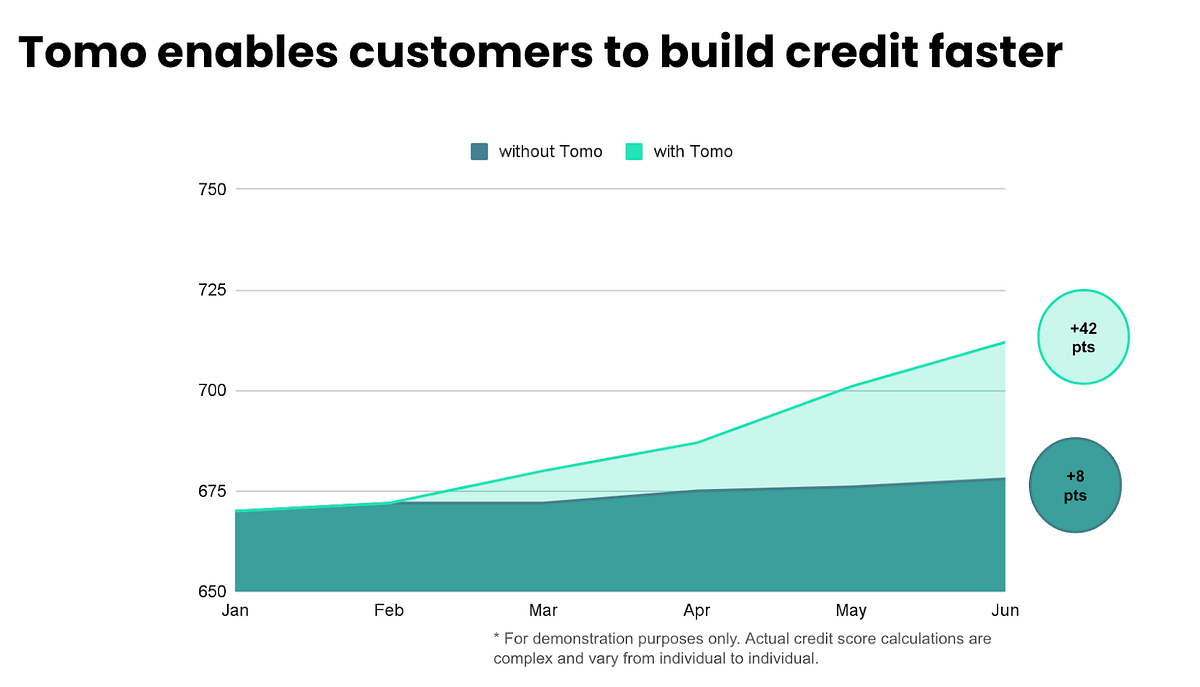
    Building your credit to an ideal score is crucial to financial health. It can significantly impact your ability to secure loans, obtain favorable interest rates, and even rent an apartment. For most people, the journey to an ideal credit score can range from 3 to 6 months, depending on their starting point and the strategies they employ. Let’s explore the key metrics used in credit scoring, the importance of credit utilization, and how to accelerate this process.

    Understanding Credit Scores and Metrics

    Credit scores, primarily determined by models like FICO and VantageScore, range from 300 to 850. An ideal score is generally considered to be 740 or above, as this opens the doors to the best financial products and interest rates. The main factors influencing your credit score include:

    Figure 1 : How  FICO Scores are calculated

    Source: My FICO

    The Role of Credit Utilization Rate

    To improve your credit score within 3 to 6 months, one of the most effective strategies is to manage your credit utilization rate. This metric is crucial because it accounts for 30% of your overall score, making it the second most influential factor after your payment history.

    Credit utilization refers to the ratio of your current revolving credit balances to your total available credit limits. To calculate your credit utilization rate, divide your total credit card balances by your total credit limits. For example, if you have a total credit limit of $10,000 and your current balance is $3,000, your credit utilization rate is 30%. Financial experts recommend keeping this rate below 30%, with an optimal target of under 10% for the best results.

    Hence, managing your credit utilization rate effectively involves a few key strategies. First, aim to pay down your balances as much as possible. This might require adjusting your budget to allocate more funds towards debt repayment. Second, consider asking for a credit limit increase from your card issuers. Increasing your credit limits while maintaining or reducing your balances will lower your utilization rate. Lastly, be mindful of your spending to avoid accumulating new debt.

    By focusing on these strategies, you should see a noticeable improvement in your credit score within a few months. Maintaining a low credit utilization rate not only boosts your score but also demonstrates responsible credit management to potential lenders..

    Aside from managing your credit utilization rate, the following steps can also really help you boost your credit scores within 3-6 months: 

    1. Pay on Time: Ensure that all your payments, including utilities and rent if they are reported, are made on time. Look to set up automatic payments to avoid missed due dates and demonstrate responsible financial behaviour. It is worth noting that consistent, on-time payments are crucial as payment history is the most significant factor in your credit score.
    2. Reduce Debt: Focus on paying down existing debts, particularly revolving credit card balances. Reducing your overall debt lowers your credit utilization rate and shows lenders that you are managing your finances responsibly. Consider prioritizing high-interest debt to save on interest costs and accelerate debt reduction.
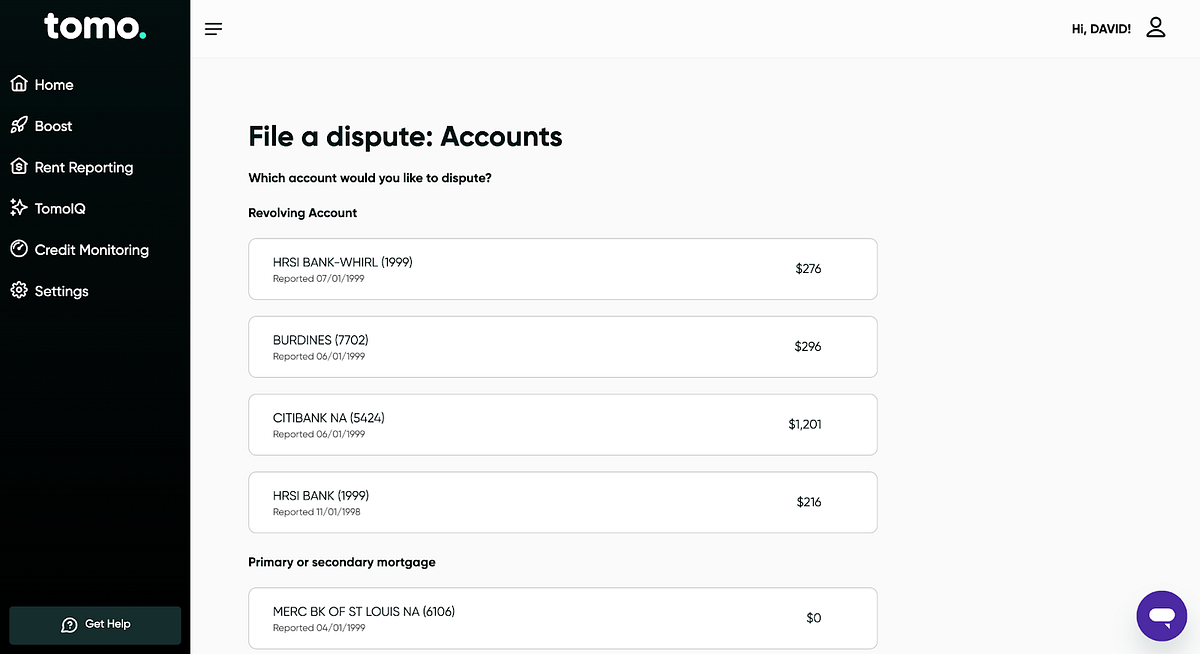
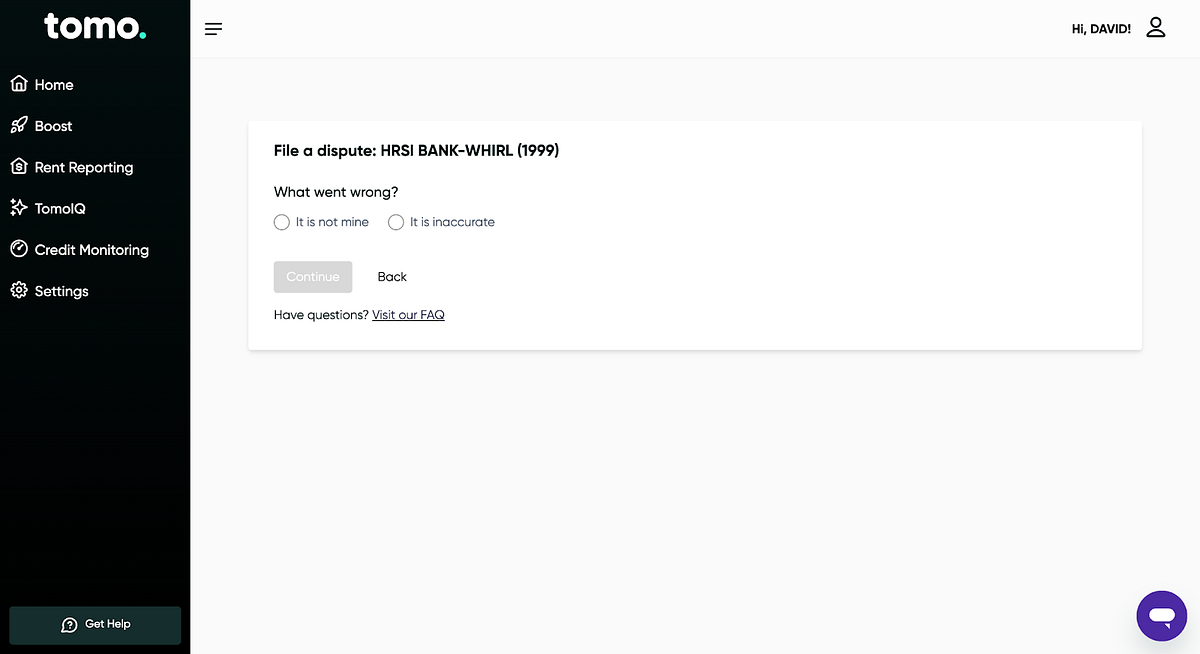
    3. Correct Errors: Regularly check your credit reports for errors and dispute any inaccuracies with the credit bureaus. Errors on your credit report can unfairly lower your score, so it’s important to address them promptly. For a step-by-step guide on disputing errors, refer to our [dispute article].
    4. Limit New Credit Applications: Each hard inquiry can slightly lower your score, so only apply for new credit when necessary. Frequent applications for new credit can signal risk to lenders and temporarily impact your score. Space out credit applications and only seek new credit when it is essential.
    5. Maintain Low Balances: Keeping your credit card balances low relative to your credit limits will positively impact your credit utilization rate. Aim to keep this rate below 30%, and ideally under 10%, for the best results. This shows lenders that you are not overly reliant on credit and are managing your available credit wisely.

    Patience and Persistence

    Building your credit score to an ideal level requires time, patience, and persistence. Achieving significant progress within a 3—to 6-month window is attainable for many, especially if you maintain good financial habits and stay vigilant about your credit management. Remember, consistency is key. By understanding the metrics that influence your score and strategically managing your credit utilization, you can make substantial progress relatively quickly.

    In conclusion, building a strong credit score is a combination of patience, persistence, and smart financial management. By focusing on timely payments, managing your credit utilization rate, and being mindful of new credit inquiries, you can see substantial improvements in your credit score within just a few months. This solid foundation will help you secure the best financial opportunities in the future.

  • Why a Good Credit Score is Important and How TomoCredit’s Dispute Service Can Help

    A good credit score is more than just a number; it’s a key indicator of your financial health and stability. In today’s high-interest market, having a good credit score opens doors to various opportunities and can save you significant amounts of money over time. Understanding why a good credit score is important and how to improve it is essential for anyone looking to secure their financial future.

    Firstly, having a good credit score means you are more likely to be approved for loans and credit cards. Lenders use your credit score to assess your creditworthiness, and a higher score signals that you are a reliable borrower. This not only increases your chances of loan approval but also often results in lower interest rates. Over the life of a loan, lower interest rates can save you thousands of dollars, making large purchases like a home or car more affordable.

    Figure 1: Buying a Tesla Model 3 with Low and High Credit Scores.

    Let’s take a look at an example. Cindy and John both purchase a Tesla Model 3 (Figure 1). Cindy has a credit score of 750, whereas John’s score is only 550. Consequently, Cindy receives a lower APR compared to John, resulting in her monthly payment being approximately $112 less. Over the term of the loan, Cindy ends up paying nearly $6,500 less for the Tesla Model 3.

    Additionally, a good credit score can lead to higher credit limits. Lenders are more willing to extend larger amounts of credit to individuals who have demonstrated responsible credit behavior. This can provide you with greater financial flexibility and the ability to manage your finances more effectively.

    Your credit score also plays a role in other areas of your life. For example, many insurance companies use credit scores to determine premiums. A higher credit score can lead to lower insurance costs, which can add up to significant savings over time. Moreover, some employers check credit scores during the hiring process, especially for positions that require financial responsibility. A good credit score can enhance your job prospects and open up more career opportunities.

    When it comes to renting a home, landlords often use credit scores to evaluate rental applications. A higher score can make it easier to secure a desirable rental property, giving you more options when looking for a place to live.

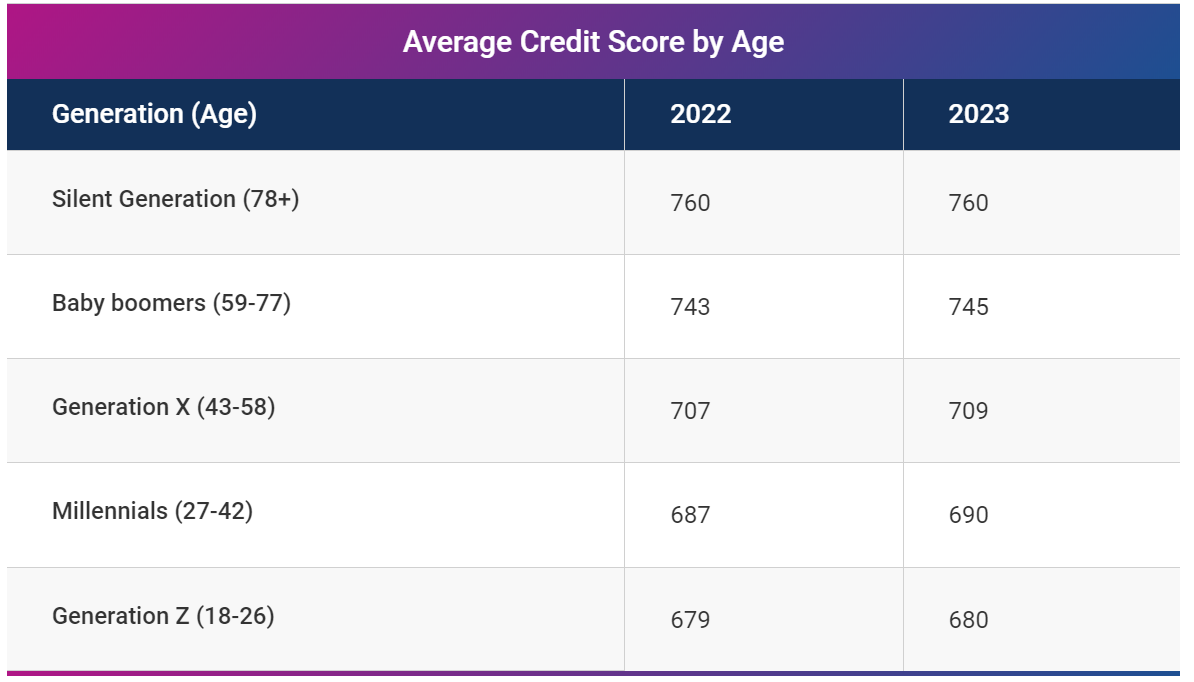
    As of April 2024, the average American credit score was 717, according to a blog post from FICO. This is considered a “very good” score on the VantageScore model, which ranks scores from 300 to 850. However, average credit scores can vary by age and location. For example, as of the second quarter of 2023, Experian reported the following average credit scores by generation:

    Source: Experian, 2023

    Maintaining a good credit score is not always easy. Negative remarks on your credit report, such as late payments, defaults, or collections, can significantly damage your score. These blemishes can stay on your report for years, making it difficult to obtain credit, secure favorable interest rates, and achieve your financial goals. According to a recent study conducted by the Federal Trade Commission, as many as 42 million Americans have mistakes on their credit reports — that’s about 13% of the entire national population. These errors can unjustly lower your credit score, highlighting the importance of regularly reviewing your credit report and addressing any inaccuracies promptly.

    Through our interactions with customers, we have found that many negative marks result from moving to a new property or location. Often, old leasing companies fail to update information, leading to utility companies continuing to charge for services at the old address without receiving payment. Consequently, these unpaid bills can drag down credit scores.

    If you find yourself in a situation where your credit score is less than ideal, TomoCredit’s Credit Dispute Service can be an invaluable resource. TomoCredit offers a comprehensive credit report analysis to identify inaccuracies or errors that may be negatively impacting your score. Their team of experts works on your behalf to dispute incorrect or unfair negative remarks with credit bureaus and creditors. This process involves gathering evidence, drafting dispute letters, and following up to ensure errors are corrected.

    In addition to dispute resolution, TomoCredit provides a personalized credit repair plan based on your unique situation. This plan may include strategies for paying down debt, establishing a positive payment history, and utilizing credit responsibly. TomoCredit also equips you with educational resources to help you maintain a good credit score in the long term. This includes tips on managing your finances, understanding credit scoring models, and avoiding common pitfalls.

    Credit repair is not a one-time event but an ongoing process. TomoCredit offers continued support and monitoring to help you stay on track and make adjustments as needed. By leveraging their expertise and resources, you can work towards a better credit score and a more secure financial future.

    Investing in your credit health today can lead to a brighter and more prosperous tomorrow. A good credit score opens doors to numerous financial opportunities and can significantly enhance your quality of life. If your credit score is suffering due to negative remarks or inaccuracies on your credit report, TomoCredit’s Credit Dispute Service is here to help.

    Don’t let past mistakes or errors hold you back — take control of your credit with TomoCredit. Our team is experienced in handling credit disputes and are ready to help you build a strong credit score and save you money. 

  • Is TomoCredit Legit?

    In today’s financial landscape, finding a trustworthy and reliable credit service can be challenging. In fact, financial services are typically the least trusted industry by the general population – and the economic crisis of 2008 is one of many reasons why new customers are generally cautious when it comes to new financial products. 

    With so many options available, it’s essential to distinguish between genuine services and those that may not have your best interests at heart. Enter TomoCredit, a revolutionary financial service provider designed to help individuals build credit without the need for a credit score. But the question remains: is TomoCredit legit?

    Recognized by top financial reporters and third party media, TomoCredit has positioned itself as a pioneer in the financial services industry by offering a unique approach to credit building. One of their standout services is TomoBoost, an innovative tool aimed at helping users enhance their credit profiles. TomoBoost works by analyzing a user’s financial behavior and providing a tailored strategy to improve their creditworthiness. This approach has earned TomoCredit recognition and trust among users who are often overlooked by traditional financial institutions.

    TomoBoost’s key credit building features include:

    No Credit Score Requirement: TomoBoost’s evaluation process does not rely on your credit score, making it accessible to individuals new to credit or those looking to rebuild their credit history.

    Personalized Credit Building Plan: By analyzing alternative financial data, such as income, savings, and spending patterns, TomoBoost creates a customized plan that helps users improve their credit profiles.

    Continuous Monitoring and Adjustments: TomoBoost continuously monitors your financial activities and makes necessary adjustments to ensure you stay on track with your credit-building goals.

    Educational Resources: TomoCredit provides a wealth of resources to help users understand the credit-building process and make informed financial decisions.

    Beyond providing a reliable credit-building tool, TomoCredit is committed to financial education and empowerment. To further support their users, TomoCredit is currently offering a Credit Consultation Call. This service is designed to help individuals understand their financial standing, set credit goals, and receive personalized advice on managing and improving their credit.

    Here are the top reasons to take advantage of TomoCredit’s Credit Consultation Call:

    Understand How to Benefit from TomoBoost: Gain insights into how TomoBoost can specifically help you improve your credit profile and financial health.

    In-Depth Walkthrough of All TomoBoost Features: Get a comprehensive overview of TomoBoost’s features and how to leverage them effectively.

    Speak with a Dedicated Credit Consultant: Have a one-on-one conversation with a credit expert who can provide personalized advice and answer any questions you may have.

    During the consultation, a financial expert will review your current financial situation, including income, expenses, and existing debts. Based on your financial review, the expert will help you set realistic and achievable credit goals. You will receive customized advice on how to use TomoBoost effectively to build or rebuild your credit, as well as tips on managing your finances more broadly.

    TomoCredit is not just another credit service; it’s a tool designed to help you build a solid financial foundation. With its innovative approach, commitment to no fees, and dedication to financial education, TomoCredit proves to be a legitimate and beneficial choice for individuals at various stages of their credit journey.

    So, is TomoCredit legit? Absolutely. Vetted by third-party financial media and backed by major financial institutions like Morgan Stanely and Mastercard, TomoCredit is a trusted and exciting choice for consumers. 

    With its user-centric approach, transparent practices, and current offering of a Credit Consultation Call, TomoCredit stands out as a trustworthy and valuable financial service provider. If you’re looking to build or rebuild your credit, consider TomoCredit and take advantage of their Credit Consultation Call to get started on the path to financial success.

  • New Challenge for US Credit System: Modernizing the Outdated Credit Score 

    Across industries, consumers exchange personal data for greater convenience and personalized experiences. From tailored recommendations on shopping sites to customized streaming selections, sharing data like browsing history and household habits leads to improved services. However, the financial services industry lags in using data to enhance credit experiences.

    Today’s credit system relies on three major U.S. credit bureaus (Experian, Equifax, and TransUnion) and narrow data points like loan repayment history to determine creditworthiness. This outdated system often results in millions of Americans being denied access to life-changing financial products. The traditional credit card system is fundamentally flawed, frequently trapping consumers in cycles of debt with high interest rates and hidden fees. It’s essential for consumers to be more careful when selecting credit cards, thoroughly understanding the terms and potential pitfalls to avoid financial distress.

    Regulatory Changes and the Future of Credit

    The Consumer Financial Protection Bureau’s 1033 Rule is set to change this. By enabling “open banking,” U.S. consumers can share their bank transaction data with lenders, leading to better, fairer, and more personalized credit options. A 2022 survey found that 74% of lending industry decision-makers believe traditional credit report data is insufficient for assessing creditworthiness.

    A More Comprehensive Financial Profile

    Future credit systems will use a broader range of data, including income, employment status, and bank account transactions, to provide a complete picture of a consumer’s financial health. Alternative data, like consistent utility payments and stable employment, can help build more accurate risk profiles.

    Positive Developments in Credit

    1. Reduced Credit Invisibility: Millions of Americans, including young people and recent immigrants, lack sufficient credit history. By integrating cash flow data and international credit reports, companies like TomoCredit are helping these individuals establish creditworthiness and access financial products.
    2. Dynamic Credit Products: Access to more data allows lenders to offer customizable credit products with flexible repayment schedules. Early examples include buy-now-pay-later services and flexible rent apps that allow renters to split payments into smaller chunks.

    Embedded finance could also broaden the lending field, allowing organizations to issue credit. Employers, for instance, could use their capital to extend loans to employees.

    Building a Better Credit System

    Building the data infrastructure to support these changes will take time, but the benefits are clear. Increased access to data will help create more affordable, equitable lending practices and give people more control over their financial lives.At TomoCredit, we are leading this transformation by leveraging alternative data to offer equitable lending opportunities. Our mission is to ensure everyone has access to fair and personalized credit options. Join us in revolutionizing the credit industry and experience financial empowerment with TomoCredit.

  • A Young Professional’s Guide: How to make smart career moves in a high interest rate environment:

    At TomoCredit, we understand the unique challenges young and mid-age professionals face in today’s dynamic job market. As you navigate career transitions, explore new opportunities, and consider purchasing property, understanding the financial landscape is crucial. Here’s a closer look at the recent trends in mortgage rates, their implications for homebuyers, and strategies for managing your 401(k) when changing jobs.

    Mortgage Rates and the Housing Market: A Recap of June

    In June, we saw a slight decline in mortgage rates, a trend expected to continue into July as inflation cools. This decrease isn’t steep but gradual, like a marble slowly rolling across the uneven floor of a 150-year-old house.

    Mortgage rates peaked in May, with the 30-year fixed-rate mortgage averaging 7.22%. By the end of June, this rate had fallen to 6.86%, thanks to a reduction in the core consumer price index from 3.8% in March to 3.4% in May. Typically, when inflation falls, mortgage rates follow suit, and this trend seems likely to persist if inflation continues to decrease.

    However, even with a slight drop in mortgage rates, affordability remains a concern. The median home resale price hit an all-time high of $419,300 in May. With an average mortgage rate of 7%, the principal-and-interest payment on a median-priced home, assuming a 20% down payment, was $2,232. High costs led to a 2.8% drop in home sales compared to the previous year.

    As buying slowed, the inventory of existing homes for sale increased. This rise in inventory, coupled with weaker demand, has driven price reductions, with 36.9% of homes on the market cutting their asking prices as of late June. If mortgage rates decrease this autumn as expected, the combination of lower home prices and interest rates could improve affordability.

    For those with excellent credit scores, there’s an added advantage. A higher credit score often translates to better interest rates, potentially lowering your monthly mortgage payments and making homeownership more attainable.

    Career Transitions and 401(k) Strategies

    For young professionals, job transitions are often accompanied by questions about managing retirement savings. Here are some strategies to consider when handling your 401(k) during a job switch:

    1. Stay Committed to Your Long-Term Goals: Market volatility can be unsettling, but maintaining your long-term investment strategy is crucial. Regular contributions to your 401(k) can help you take advantage of dollar-cost averaging, smoothing out the purchase prices of investments over time.
    2. Review and Adjust Your Portfolio: Ensure your asset allocation matches your retirement goals and risk tolerance. Diversification can help mitigate risks and protect your investments from market fluctuations.
    3. Maximize Your Contributions: If possible, contribute the maximum allowable amount to your 401(k). This strategy not only boosts your retirement savings but also provides significant tax advantages.
    4. Take Advantage of Employer Matching: Ensure you contribute enough to receive the full employer match in your new job, as it’s essentially free money for your retirement.
    5. Consider a Roth 401(k): If your new employer offers a Roth 401(k) option, it might be worth considering. Roth 401(k)s allow for tax-free withdrawals in retirement, which can be advantageous if you expect to be in a higher tax bracket when you retire.
    6. Rollover Your 401(k): When you leave a job, you can roll over your 401(k) into an IRA or your new employer’s 401(k) plan. This keeps your retirement savings intact and can provide more investment options.

    As you navigate career changes and consider homeownership in a high-interest-rate environment, staying informed and proactive is key to making sound financial decisions. At TomoCredit, we are dedicated to empowering young professionals with the knowledge and tools needed to achieve their financial goals. Whether you’re transitioning to a new job or exploring the housing market, understanding the current economic trends and managing your retirement savings effectively will help you secure a brighter financial future.

  • Revitalize Your Credit Score through TomoCredit’s Rent Reporting Magic

    Credit scores are integral to financial freedom and stability, influencing everything from housing opportunities to loan conditions. For many, especially young adults and new immigrants, building a robust credit score can be a formidable challenge. Recognizing this, TomoCredit has introduced a novel approach to credit building through their TomoCredit Rent Report service, which allows rent payments to count towards credit history and boost credit scores with rent reporting.

    Traditionally, credit scores have been calculated based on credit card payments, loans, and other financial obligations. However, this leaves out a significant monthly expense for millions: rent. Rent is often one of the most substantial and regular payments made by individuals, yet until recently, it had no impact on one’s credit score. TomoCredit’s Rent Report service changes this dynamic by incorporating rent payments into the credit score calculation, offering a substantial boost to credit scores with rent reporting for those with limited credit history.

    How Does TomoCredit’s Rent Report Work?

    Step 1: Submit Your Lease

    VIP users start by submitting their lease agreement to TomoCredit (boost@tomocredit.com). This document serves as verification of the rental contract and the monthly rent amount, crucial for accurate boosting credit scores with rent reporting.

    Step 2: Verification Process

    The TomoCredit team verifies the lease details. This step is essential to ensure that all reported payments are accurate and legitimate, providing a reliable basis for credit bureaus to adjust credit scores and boost credit scores with rent reporting.

    Step 3: Reporting to Credit Bureaus

    Following verification, TomoCredit reports the rent payments directly to major credit bureaus. This step is where the actual credit score enhancement occurs, as timely rent payments are recorded similarly to other credit activities, effectively boosting credit scores with rent reporting.

    Step 4: Monitor Your Credit Score

    Lastly, users can monitor changes to their credit scores via TomoCredit’s platform. This visibility allows individuals to see the effect of their rent payments on their overall credit health and make informed decisions about their financial practices, further understanding how to boost credit scores with rent reporting.

    Rent reporting is an effective tool for those with minimal credit transactions. Regular, on-time rent payments help establish a pattern of financial reliability. TomoCredit makes it easy to use everyday expenses, like rent, to contribute towards building credit. An improved credit score can lead to better interest rates on loans and credit cards, more favorable rental terms, and enhanced employment opportunities. This is why it is essential to boost credit scores with rent reporting.

    TomoCredit’s Rent Report represents a shift in traditional credit scoring, acknowledging rent as a significant component of financial responsibility. This service not only assists in building credit through routine expenses but also enhances financial inclusivity by acknowledging the diverse economic activities of individuals. Whether you are starting your credit journey or looking to rebuild, consider how integrating rent payments into your credit report can pave the way for broader financial opportunities and stability by boosting credit scores with rent reporting.

  • Redefining Creditworthiness: TomoCredit’s Revolutionary Tomo Score and AI Financial Advisor

    In 2024, TomoCredit unveiled a transformative advancement in the realm of credit scoring: the TomoCredit Tomo Score. This pioneering feature is designed to empower individuals with less-than-excellent credit scores by evaluating their creditworthiness based on their assets rather than just their credit history. Coupled with the AI Financial Advisor, this innovation is set to revolutionize the financial landscape.

    Traditional credit scoring systems have long been criticized for their narrow focus on credit history. This approach often overlooks individuals who lack extensive credit histories, such as young adults, immigrants, or those who have faced financial difficulties. These systems tend to ignore many capable individuals with limited credit history despite them having other means to demonstrate their financial stability, such as their bank account.

    Recently, Auto Remarketing launched a review of TomoCredit, highlighting the limitations of traditional credit scoring methods. This review emphasizes the shift from evaluating past credit behavior to assessing current financial health through TomoCredit’s Tomo Score. It evaluates a person’s assets, including savings, investments, and other liquid assets, to provide a comprehensive picture of their financial stability. This new scoring model ensures that a broader spectrum of financial behaviors is recognized and appreciated.

    Integrating seamlessly with a user’s financial accounts, the Tomo Score utilizes secure, real-time data to analyze an individual’s asset portfolio. This dynamic and holistic approach offers lenders a more accurate and inclusive assessment of a person’s creditworthiness, paving the way for more fair and equitable credit decisions.

    In addition to the Tomo Score, TomoCredit introduces the AI Financial Advisor, an intelligent tool designed to help users manage their finances more effectively. This advanced advisor provides personalized financial guidance, assisting users in budgeting, investing, and planning for future expenses. By offering tailored advice, the AI Financial Advisor helps users improve their financial health and, consequently, their Tomo Score.

    The introduction of the Tomo Score and AI Financial Advisor by TomoCredit is a game-changer for several reasons. The Tomo Score opens up new opportunities for individuals who have been disadvantaged by traditional credit scoring systems, offering them a fair chance to access credit based on their current financial status. By considering current assets, the Tomo Score provides a more precise assessment of an individual’s financial health, leading to better credit decisions. Additionally, the AI Financial Advisor empowers users with the knowledge and strategies needed to manage their finances effectively, enhancing their overall financial well-being.

    TomoCredit’s mission has always been to innovate and create financial products that cater to the needs of all individuals, regardless of their credit history. The introduction of the Tomo Score and AI Financial Advisor marks a significant milestone in this mission. By recognizing and rewarding an individual’s financial potential, TomoCredit is helping to build a more inclusive and equitable financial system.

    As we look to the future, TomoCredit remains committed to advancing financial technology to better serve our diverse user base. The Tomo Score and AI Financial Advisor are just the beginning of our efforts to make credit more accessible and fair for everyone. We invite you to join us in this financial revolution and discover how these groundbreaking tools can help you achieve your financial goals.

    With the Tomo Score and AI Financial Advisor, the future of credit scoring is here — where your assets speak louder than your past, and your financial future is brighter than ever.

    ps. Find TomoCredit story as team of immigrants on Youtube 

    Photo credit: UC Berkeley Haas Business School Campus

  • The Credit System Is Broken

    Here at Tomo, we are thrilled to announce TomoScore. Have you ever been frustrated because you were rejected by a credit card or mortgage? We’ve got your back. Now with Tomo, you can leverage your existing bank account to get approved instantly. You can add any bank accounts that you currently have with Tomo, and Tomo will analyze the health of your bank account history.

    Who can benefit from TomoScore?

    • Immigrants
    • Students
    • Young Professionals
    • First time home buyers

    Happy score building!

    ps. Find our story as team of immigrants on Youtube https://www.youtube.com/watch?v=JiSjMKptCKY